
COLLECTION · PREHISTORY
Food in the Paleolithic
How early humans found, prepared, shared, and transformed food across millions of years of changing environments.
From the earliest known stone tools, about 3.3 million years ago, to the end of the last glacial period, across Africa, Eurasia, Australia and the Americas. Paleolithic period boundaries differ from region to region.
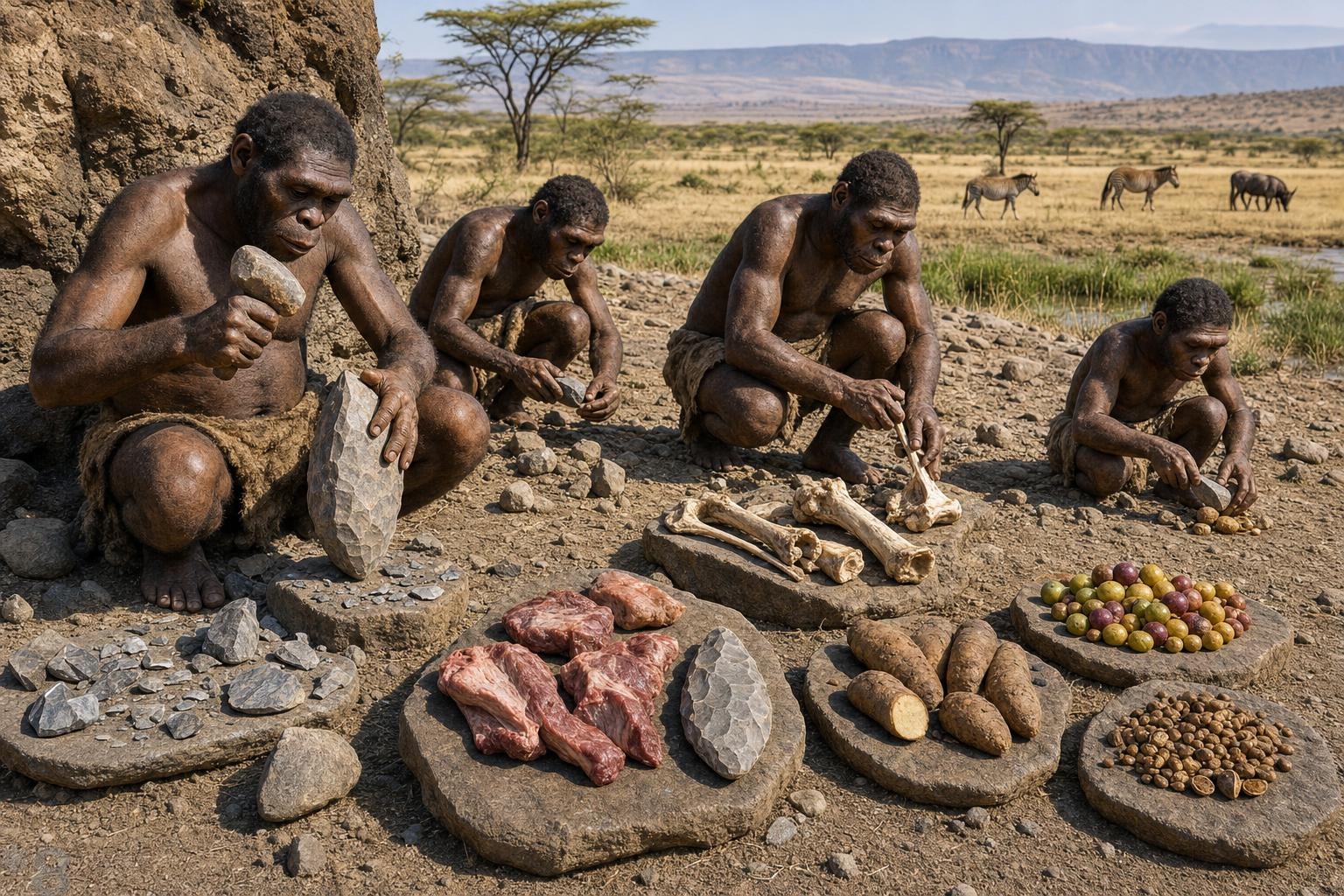
There was no single Paleolithic diet. The Paleolithic runs from the earliest known stone tools, about 3.3 million years ago [1], to the end of the last glacial period. Across that span, what people ate varied with place, period, ecology, technology and population. Hominins who made simple stone flakes in East Africa, Neanderthals in Iberian forests, foragers in Bornean caves and mammoth hunters above the Arctic Circle did not share a menu. Each of them met a particular landscape with particular tools and knowledge, and left a particular, partial record of how they did it.
This collection follows that variety through 25 entries in the atlas, arranged in five chapters. The first asks how environments shaped what was available. The second turns to plants, seeds and underground foods; the third to animals, and to the difference between hunting and scavenging; the fourth to tools, fire and the processing of food; the fifth to the evidence itself, and to what it can and cannot establish. The entries run from Ethiopia, Kenya and South Africa to Georgia, Spain, England and the Czech Republic; from Iraq and Israel to Indonesia, Borneo, northern Australia and Japan; and from Arctic Siberia to Oregon and southern Chile.
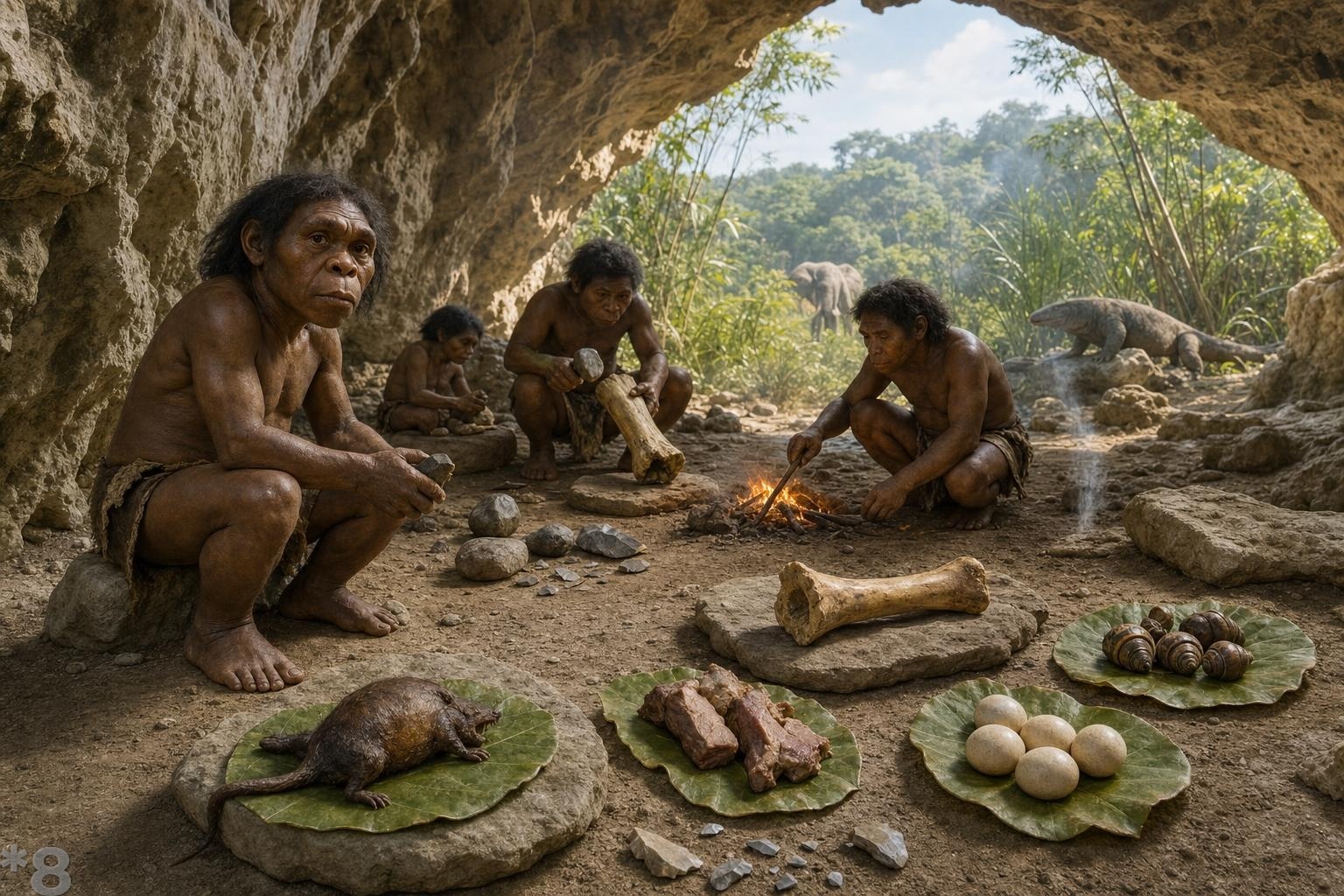
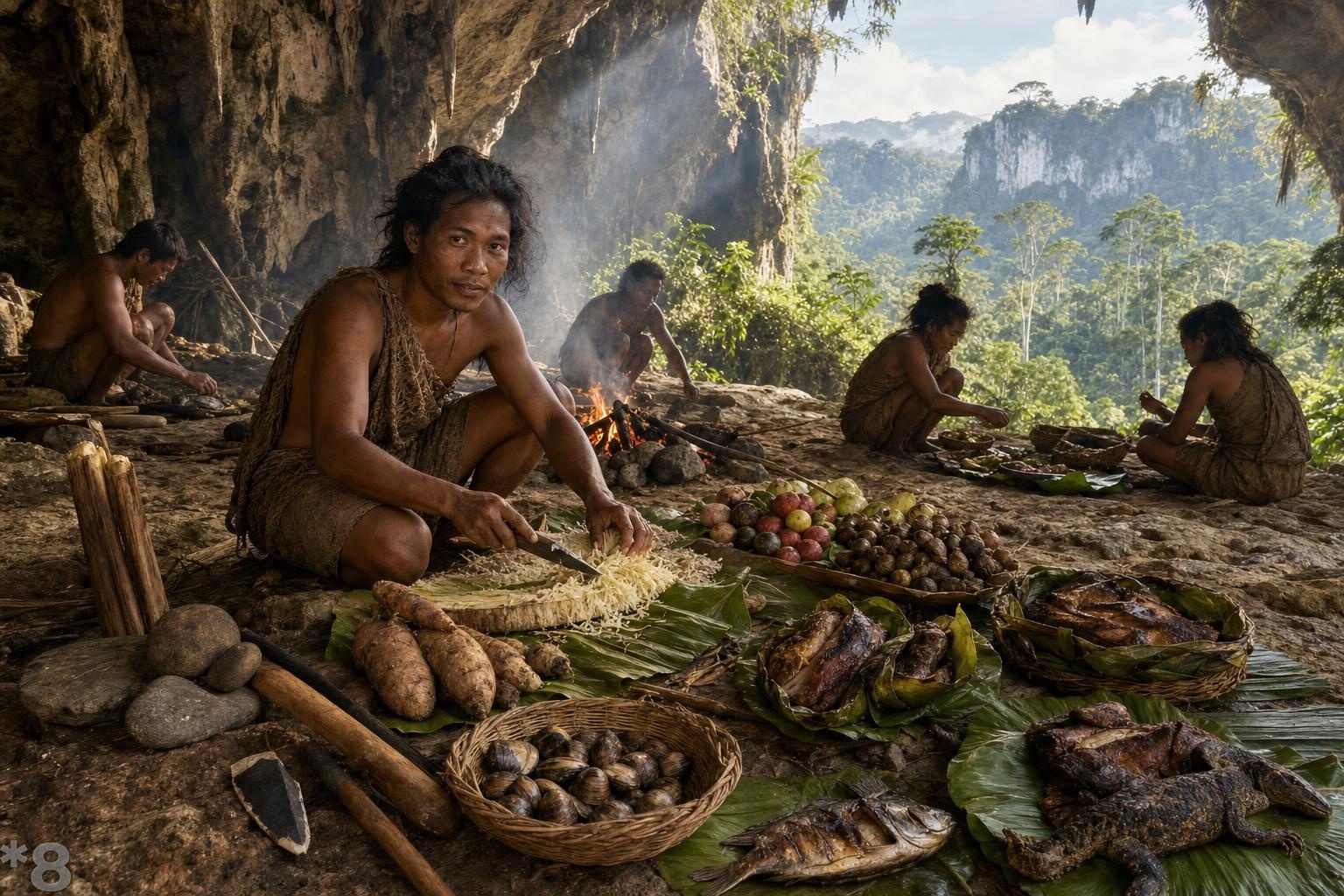
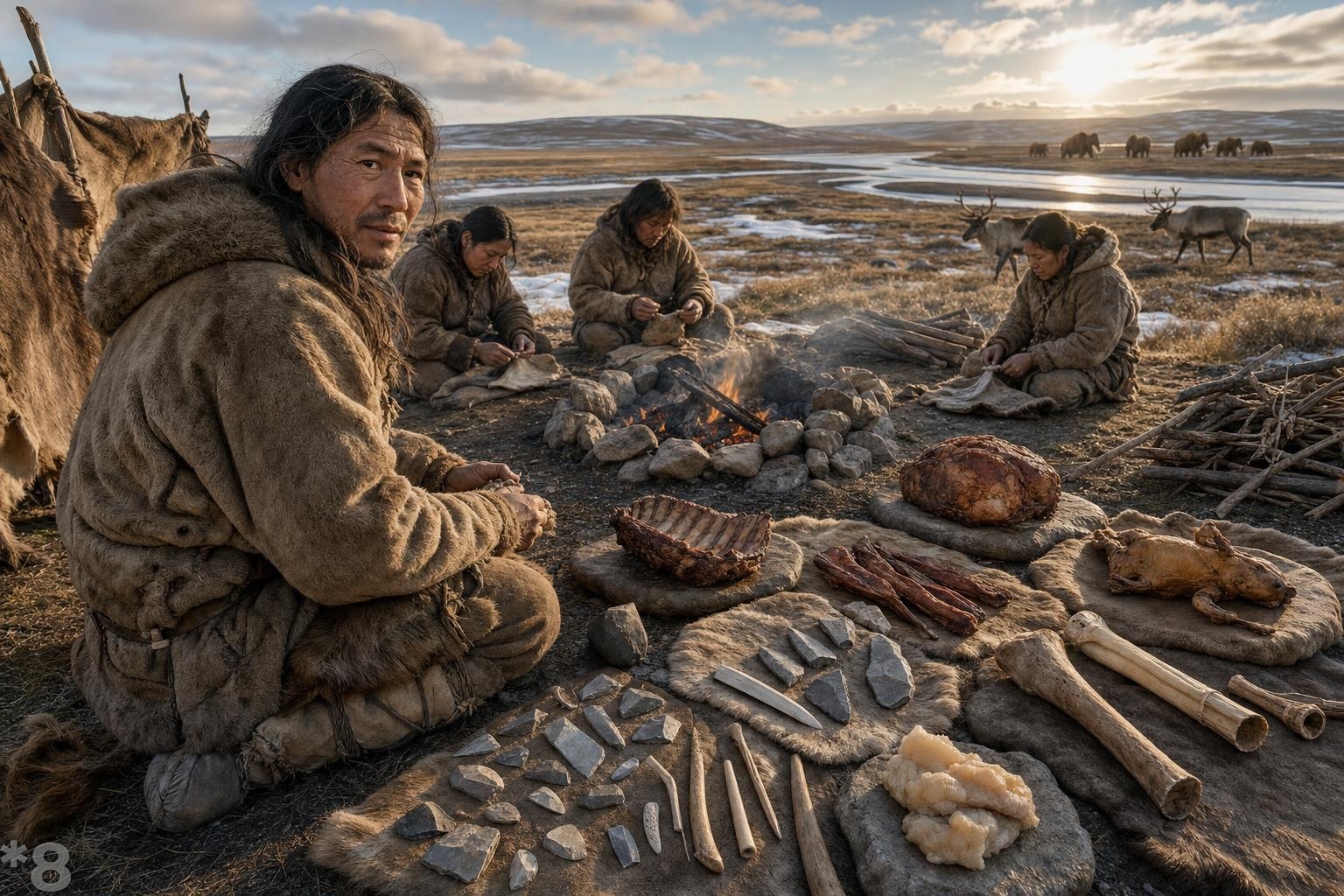
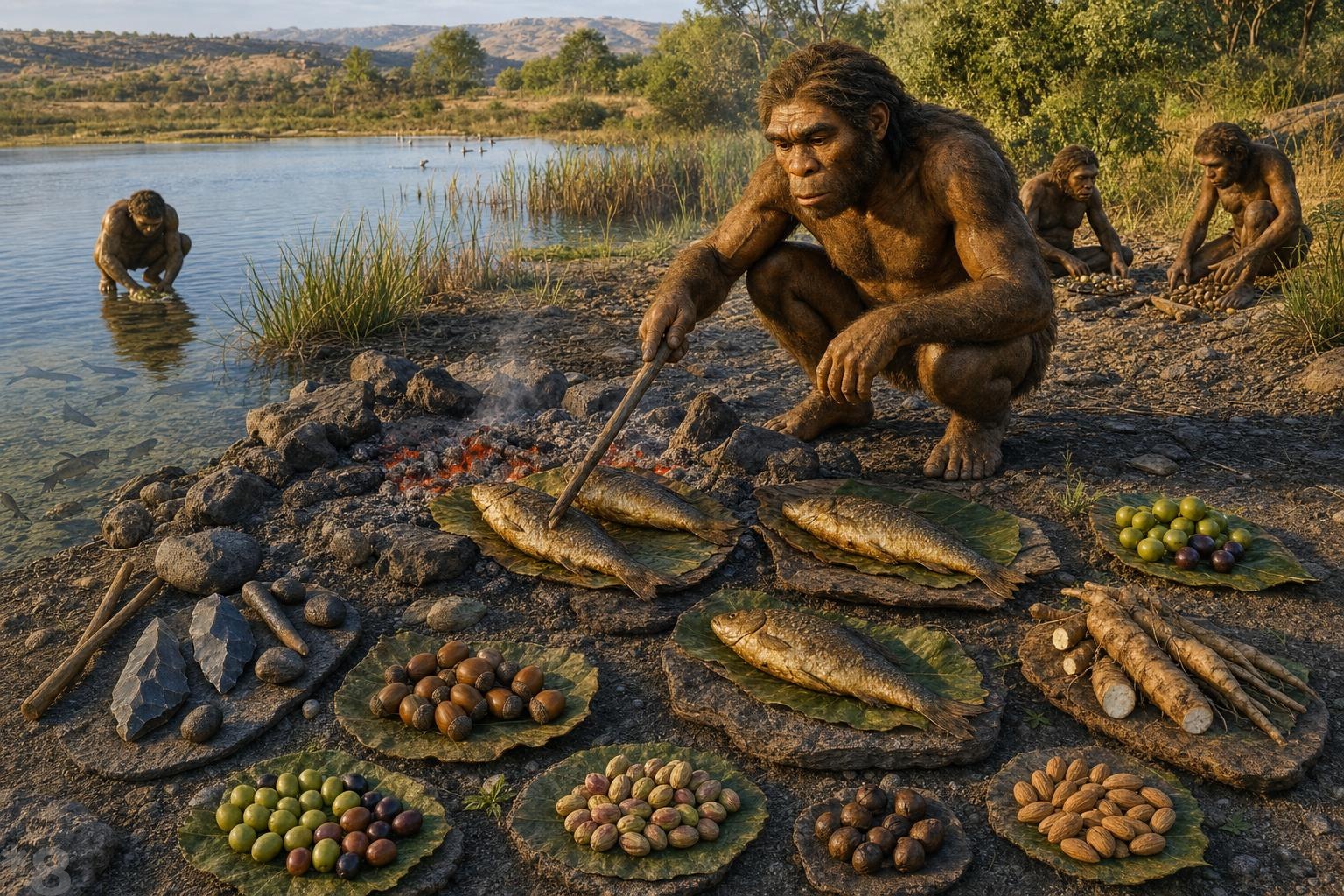
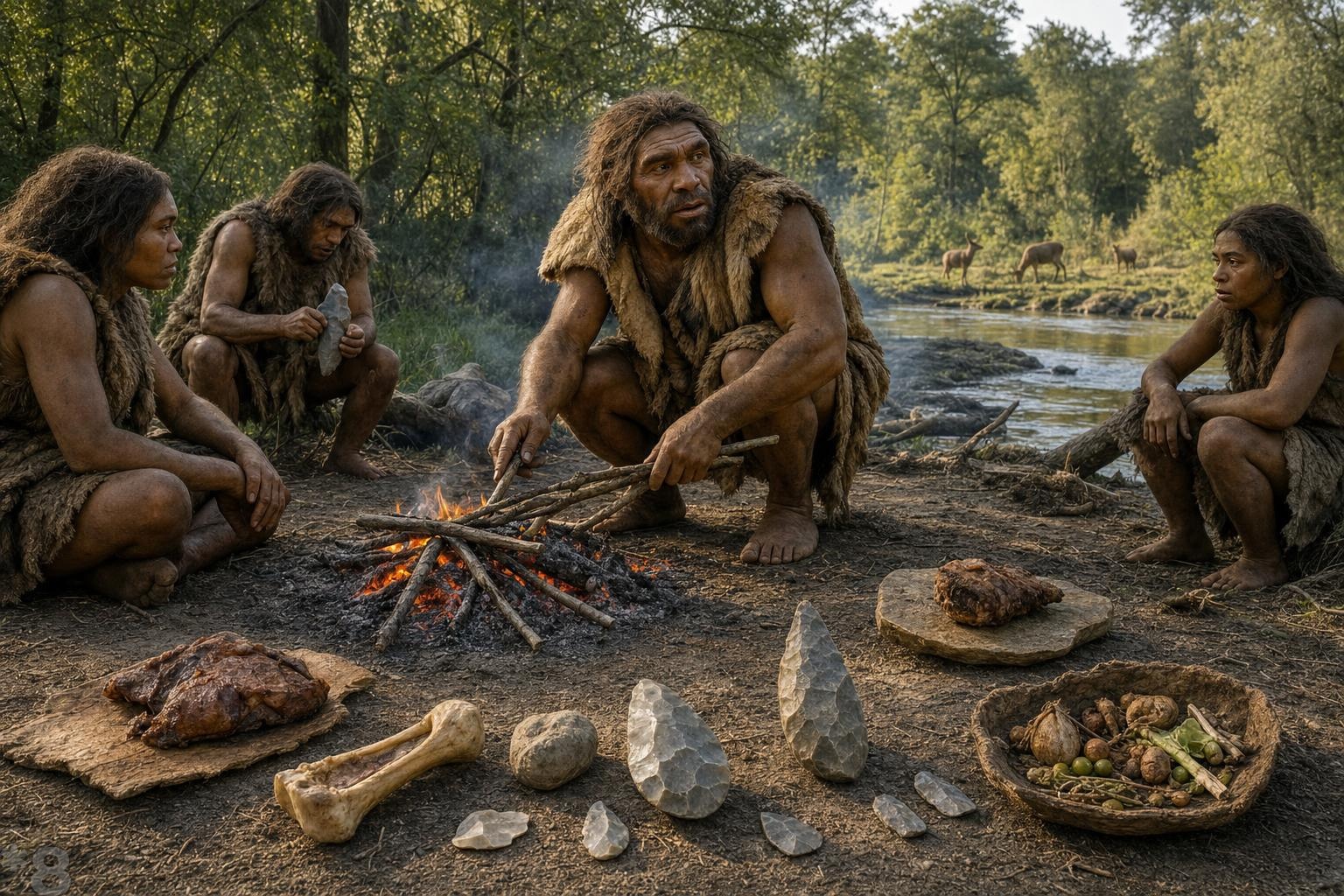
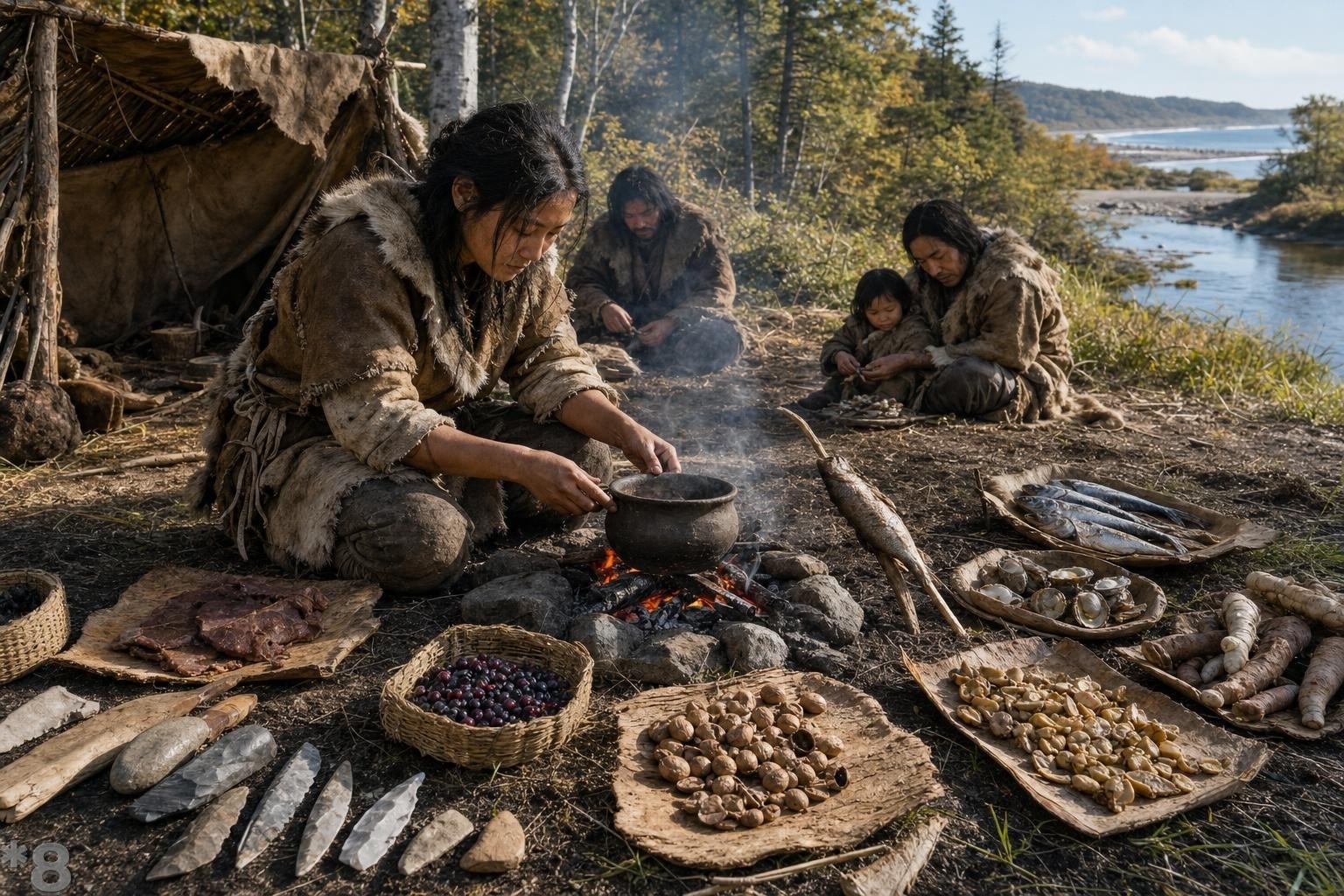
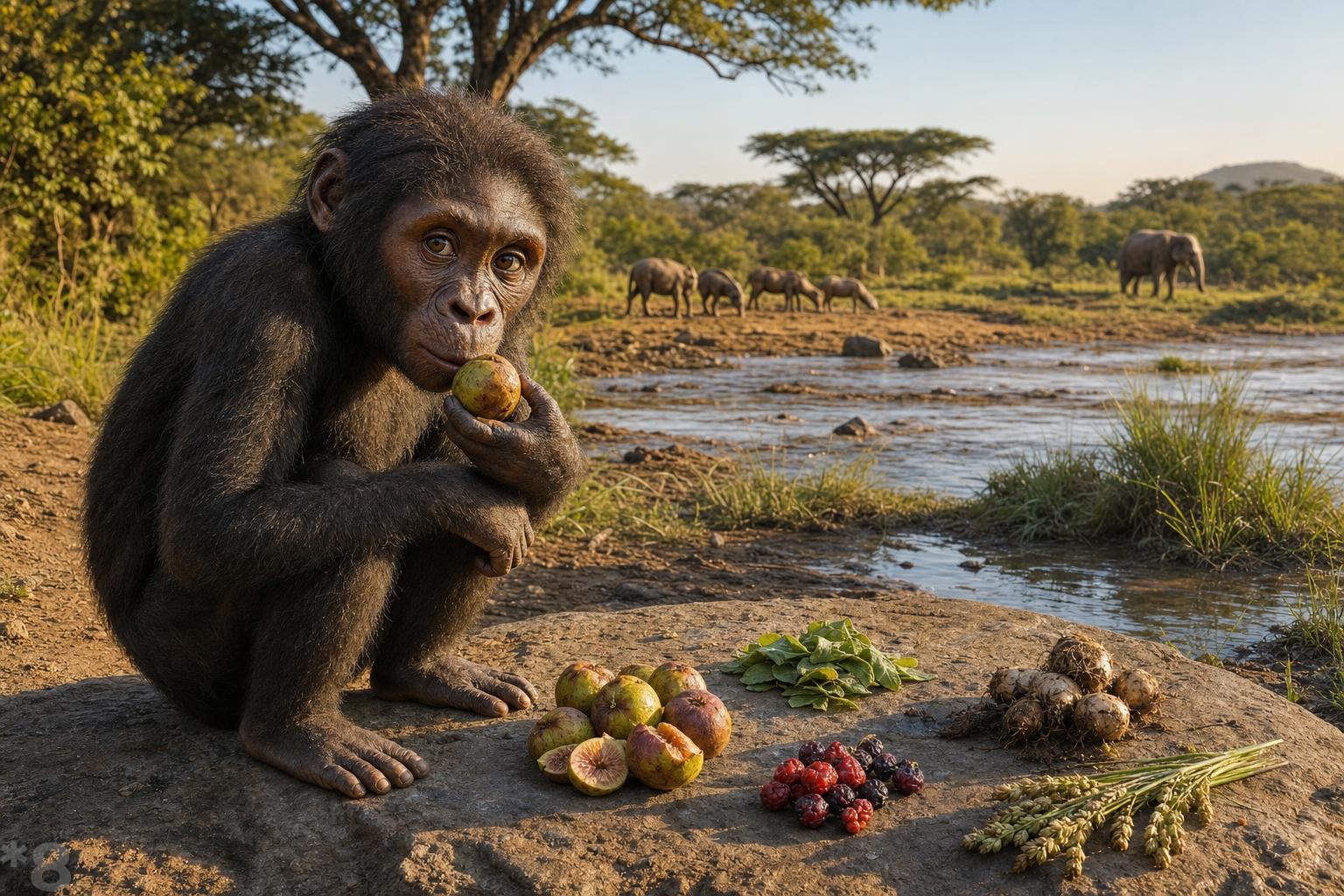
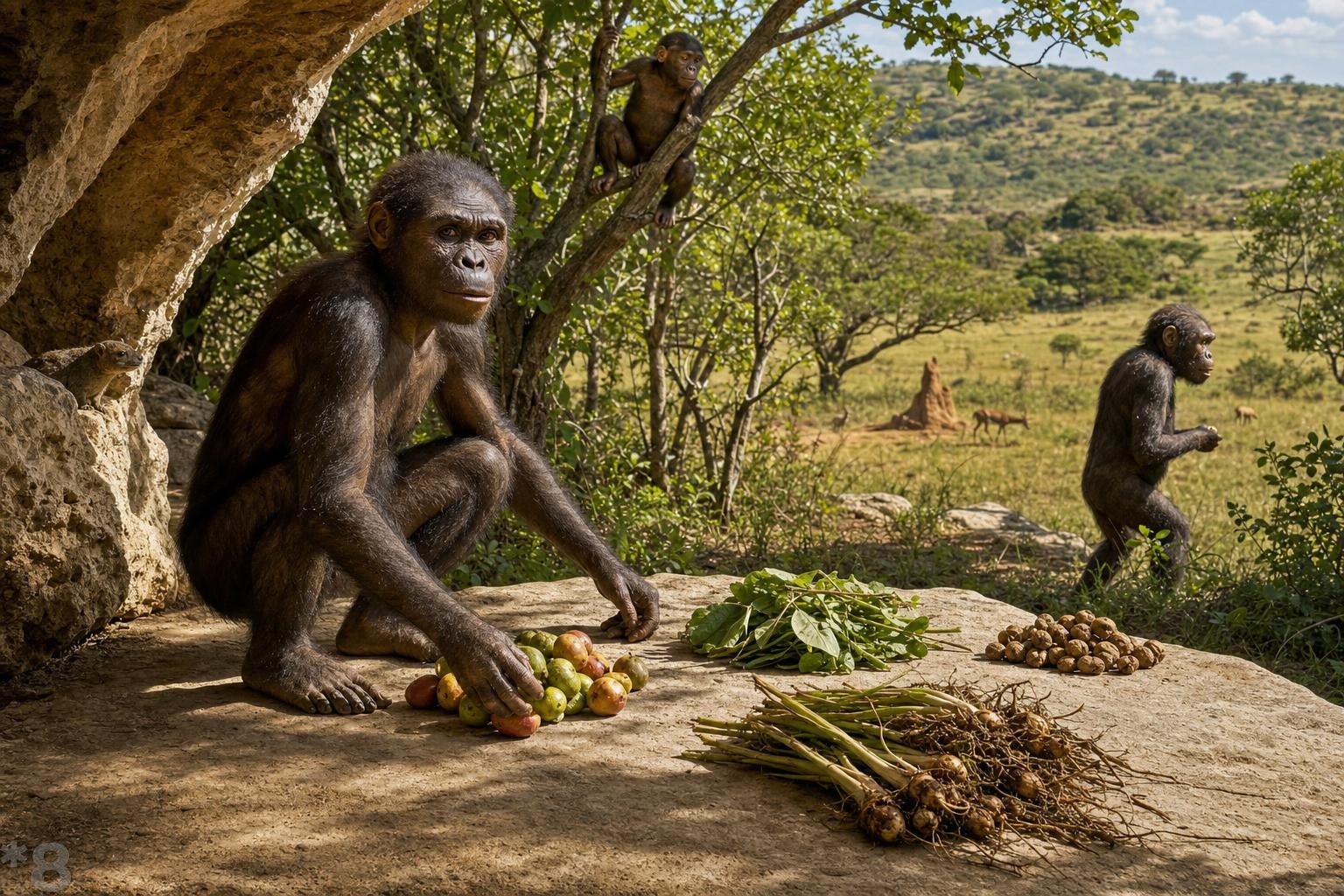
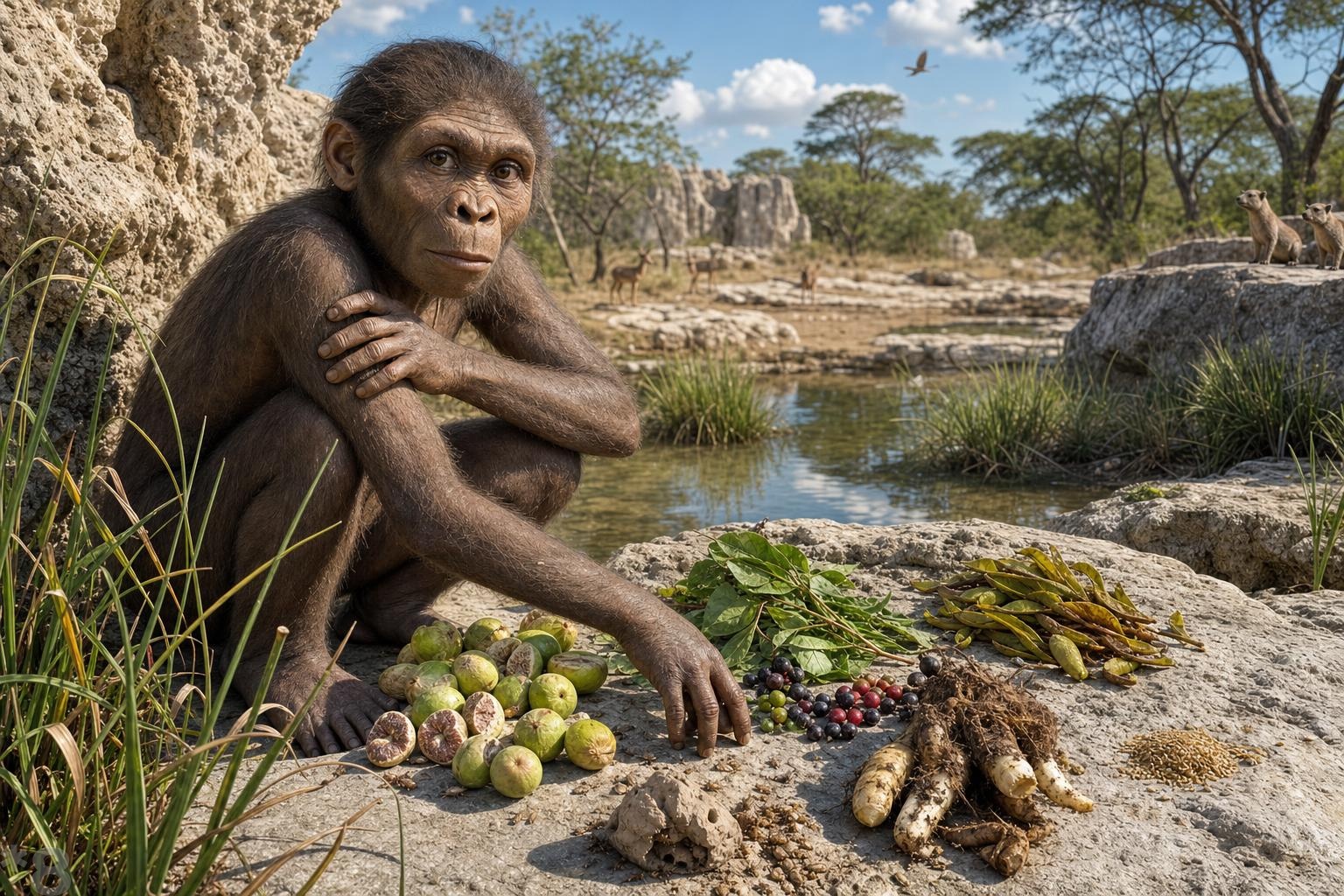
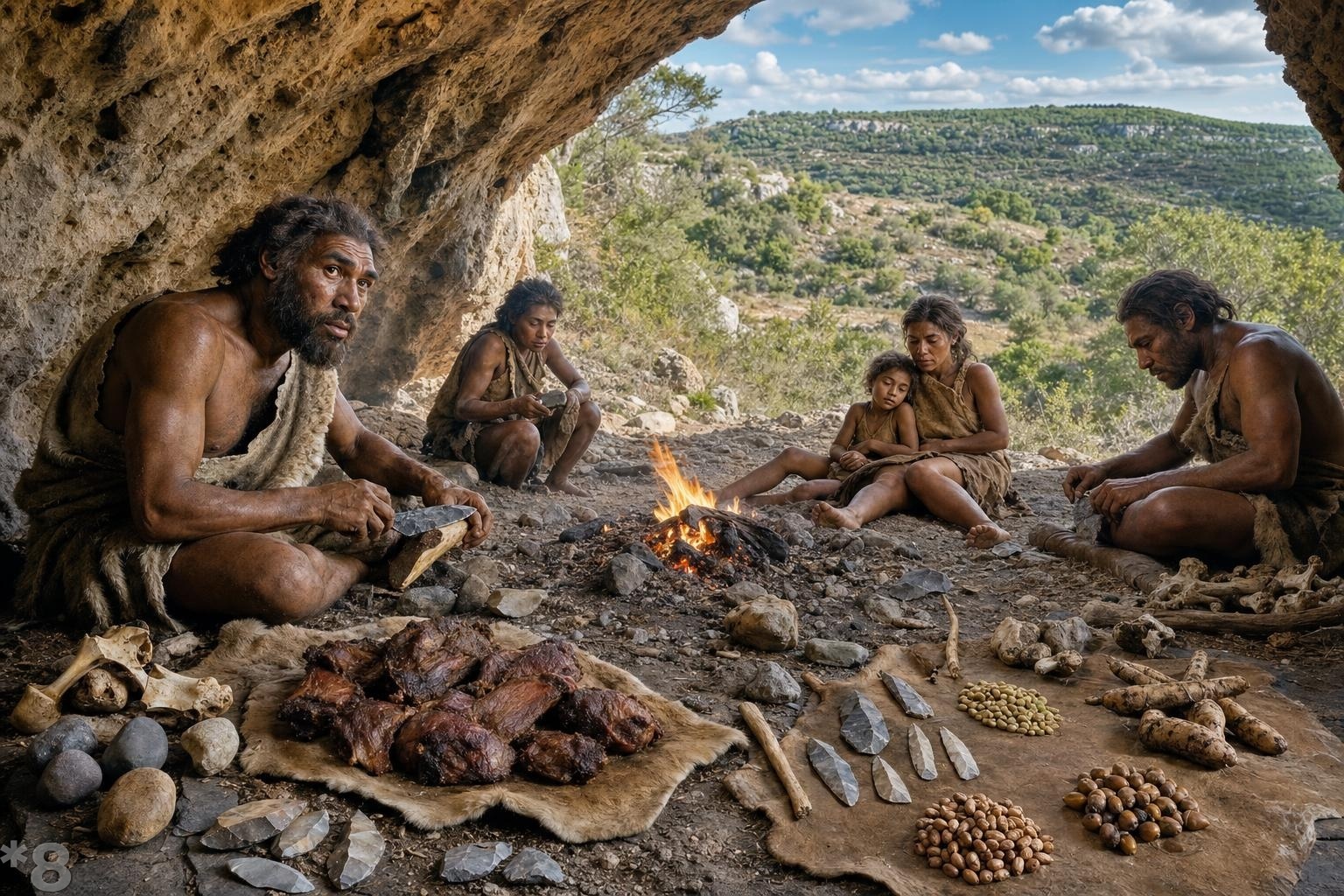
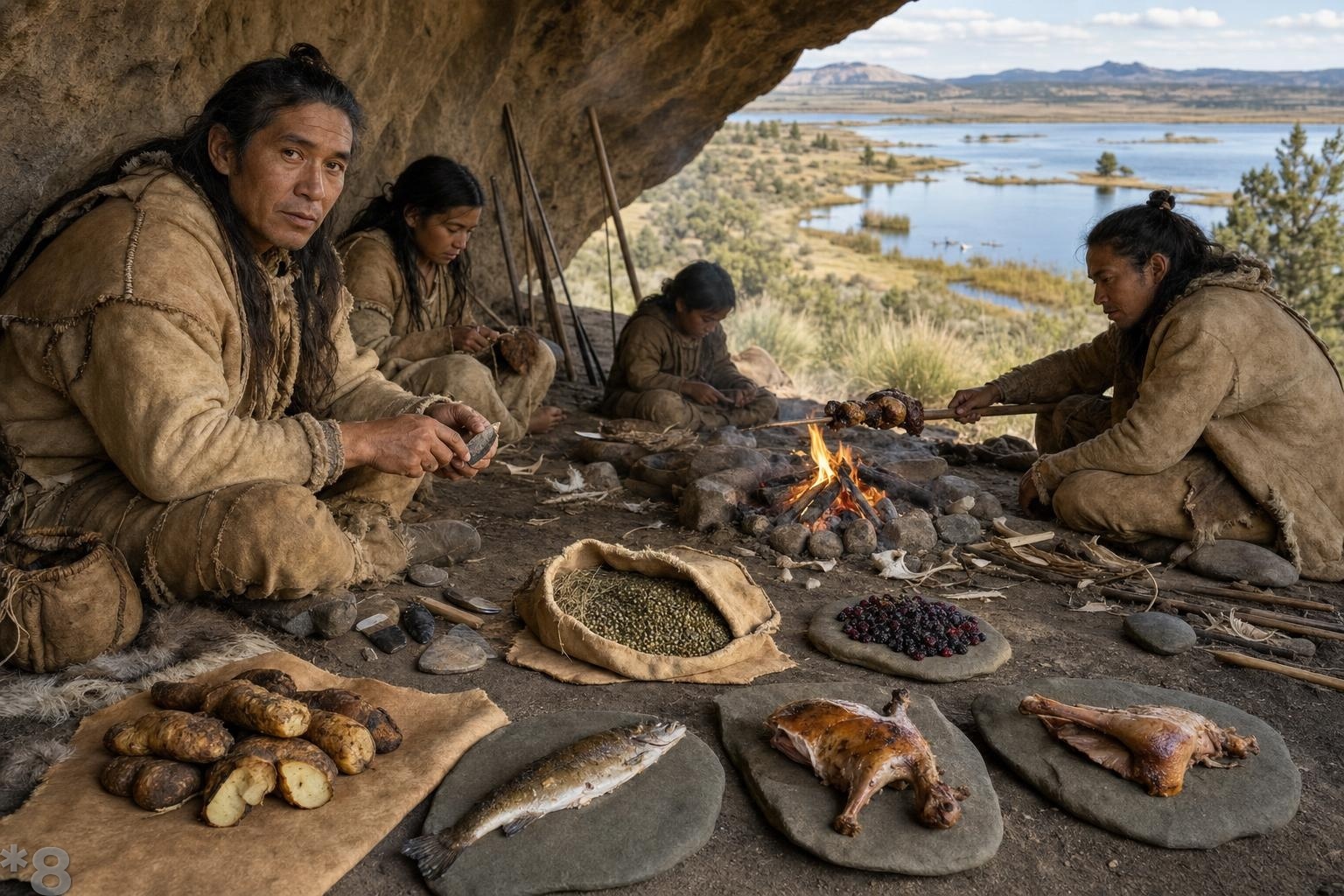
Each tile opens an atlas entry: a reconstructed scene with its own evidence assessment, sources and limitations. The scenes are reconstructions generated from each entry's evidence, not photographs or finds, and the dates on the tiles are the atlas's editorial ranges. Those ranges are a guide to where an entry sits in time; they do not always match the dated archaeology at a site, and the chapter notes below give the dates the published studies support.
What survives, and what it can tell us
The Paleolithic food record is uneven because preservation is uneven. Bone and stone survive for millions of years; leaves, fruit, roots and cooked meals rarely do. A site with thousands of cut-marked bones and no plant remains does not show that its people ate no plants. It shows what the ground kept. Where conditions are unusual, the balance changes: at Ohalo II, a lakeshore camp in Israel about 23,000 years old, more than 90,000 plant remains were recovered, and wild grasses and cereals were among the staples [2]. Most sites have nothing of the kind.
Every kind of evidence answers a narrow question. Marks securely identified as stone-tool cuts can establish that a carcass was processed; they do not by themselves establish that the animal was hunted. Burned sediment shows that something burned, not that food was cooked. Starch grains can identify plants represented in a deposit; attributing them to human activity requires checks of context and contamination, and how the plants were prepared is usually inference. DNA trapped in dental calculus can record foods that leave no other trace, but failing to find a food is not the same as showing it was never eaten.
Two further distinctions run through the chapters. The first is between a site and a population. A cave may hold layers left by different people thousands of years apart: at Shanidar, in Iraq, most of the charred plant food examined comes from Upper Paleolithic layers, not from the Neanderthal occupation for which the cave is famous [3]. The second is between detection and absence. At El Sidrón, in Spain, Weyrich and colleagues interpreted pine-nut and mushroom DNA in Neanderthal dental calculus as dietary, also reported moss DNA, and detected no meat [4]. Not detecting meat in a few samples is not proof of a meatless diet, and the moss signal does not show that moss was eaten [32].
How to read the collection
The chapters can be read in order or separately. Each opens with a short note on what the entries in it show, and what they do not, and the sources for those notes are listed at the end of the page. Several entries also appear in our investigation What Did Humans Eat 100,000 Years Ago?; here they serve different questions. The first chapter also stands on its own as a full investigation, featured below, which follows its five landscapes in detail and records, for each, what was observed, what has been inferred and what remains unknown.
The thread through all five chapters is the same. Paleolithic diets were ecological responses to changing climates, technologies, species and opportunities, not a single “caveman diet” and not a steady march toward meat and fire. The archaeological record is powerful but incomplete, and the most useful thing a reader can take from it is a sense of which parts are known, which are inferred and which are still blank.
- Lower Paleolithicfrom about 3.3 million years agoThe earliest known stone tools [1], and later the Acheulean handaxe tradition. Dmanisi, the Acheulean phases at Olorgesailie, Gesher Benot Ya'aqov, Boxgrove and Beeches Pit are represented here.
- Middle Paleolithic and Middle Stone Agefrom about 300,000 years ago, varying by regionIn the Olorgesailie basin of Kenya, the Middle Stone Age had begun by about 320,000 years ago [5]. Neanderthal sites such as El Sidrón belong to the Middle Paleolithic of Europe and western Asia.
- Upper Paleolithicfrom roughly 50,000–40,000 years ago in western Eurasia; Africa's Later Stone Age follows its own chronologyYana, Dolní Věstonice and Ohalo II belong here, as do the Upper Paleolithic layers at Shanidar.
- End of the last glacial periodthe close of the PaleolithicPottery had already appeared in Japan by about 15,000 cal BP [6], and people had reached southern Chile by about 14,000 cal BP [7].
Chapters
1. Environments and Adaptation
Five places posed five different problems. At Dmanisi in Georgia, about 1.8 million years ago, a small-brained population lived in a temperate landscape alongside sabre-toothed cats and giant hyenas [8]. In the deposits studied in detail, carnivores contributed substantially to the bone accumulation and hominins much less, though cut marks show that hominins processed some carcasses [8, 9]. Olorgesailie records one Kenyan basin changing over hundreds of thousands of years, with an elephant butchered there about 990,000 years ago [10]. At Liang Bua on Flores, a 2026 study argues that Komodo dragons reached dwarf-elephant carcasses before Homo floresiensis did [11]. At Niah, starch grains show people using yams, aroids and sago palm [12]. At Yana, above the Arctic Circle, people attacked mammoths with stone-tipped weapons, perhaps mainly for their ivory [13, 14]. None of these is a sample of one Paleolithic diet. The full chapter is the investigation featured below.
2. Plants, Seeds, and Underground Foods
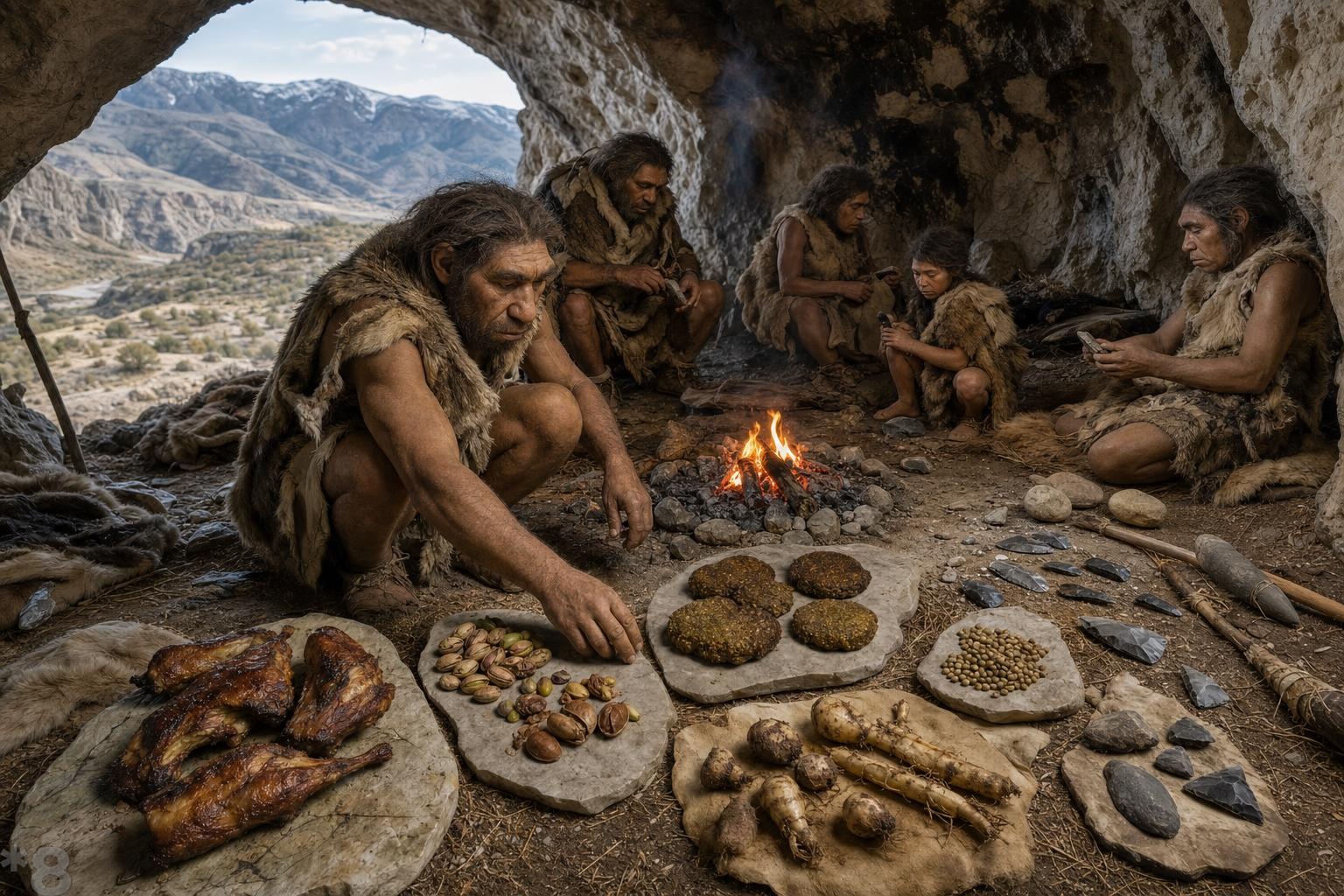
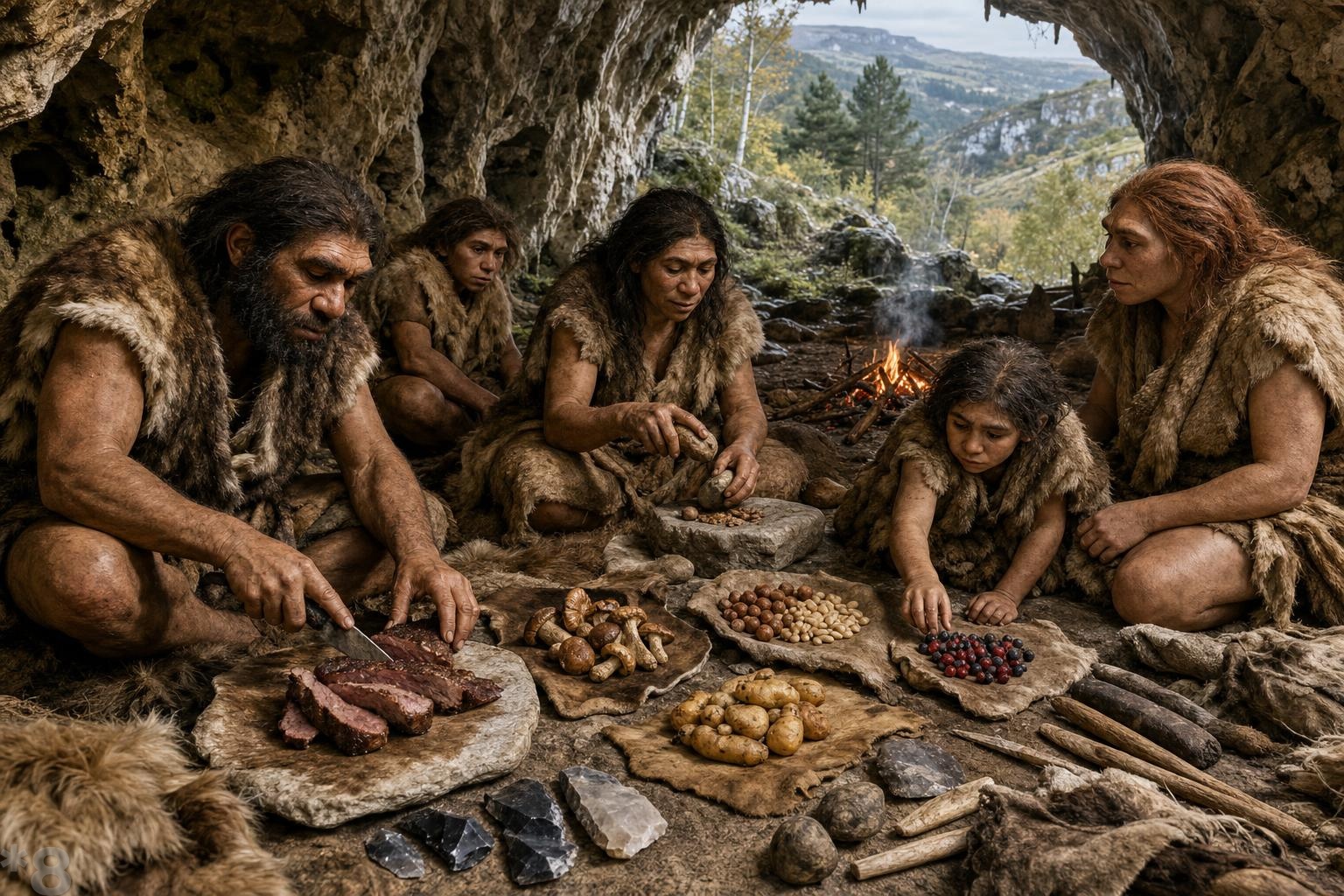
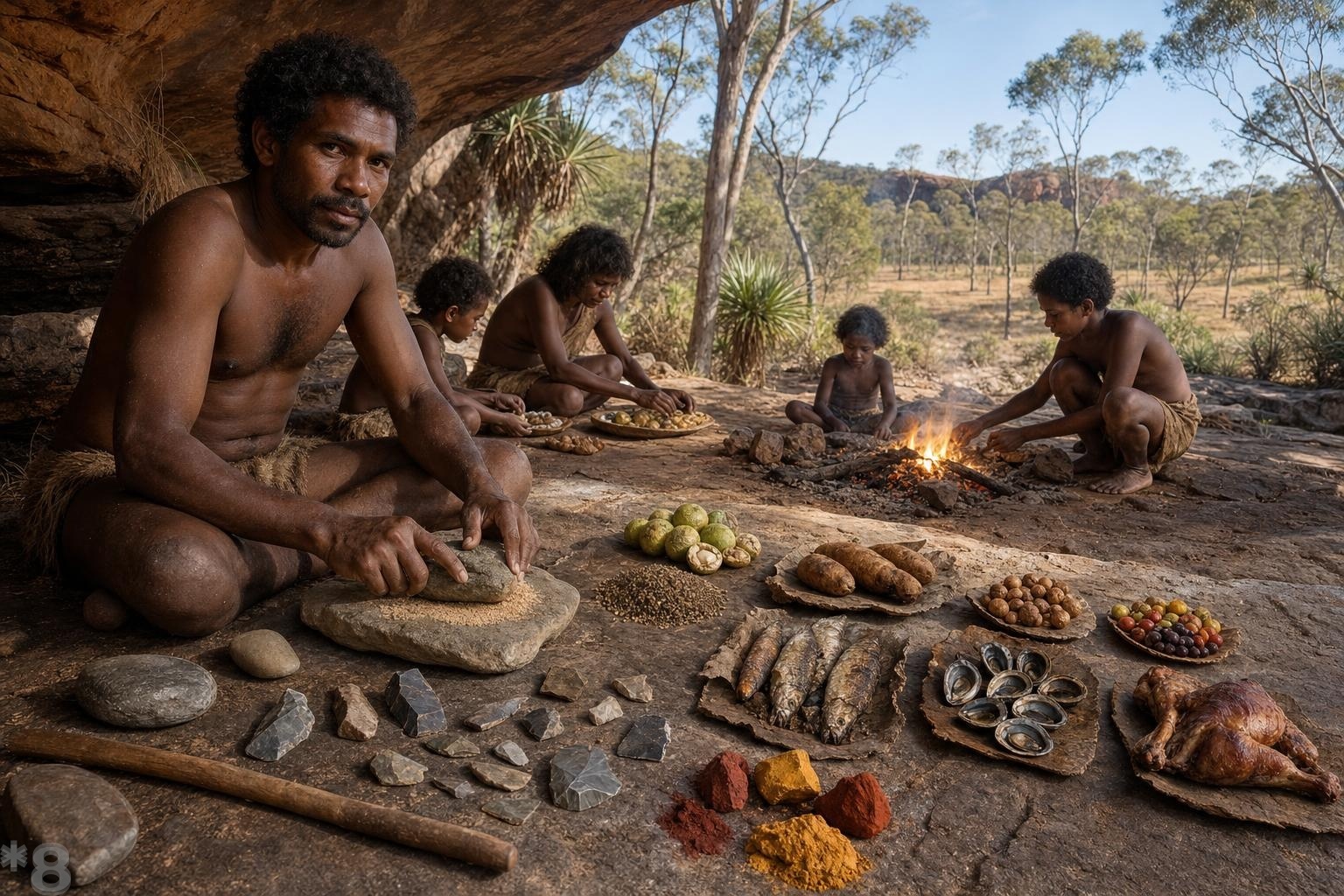
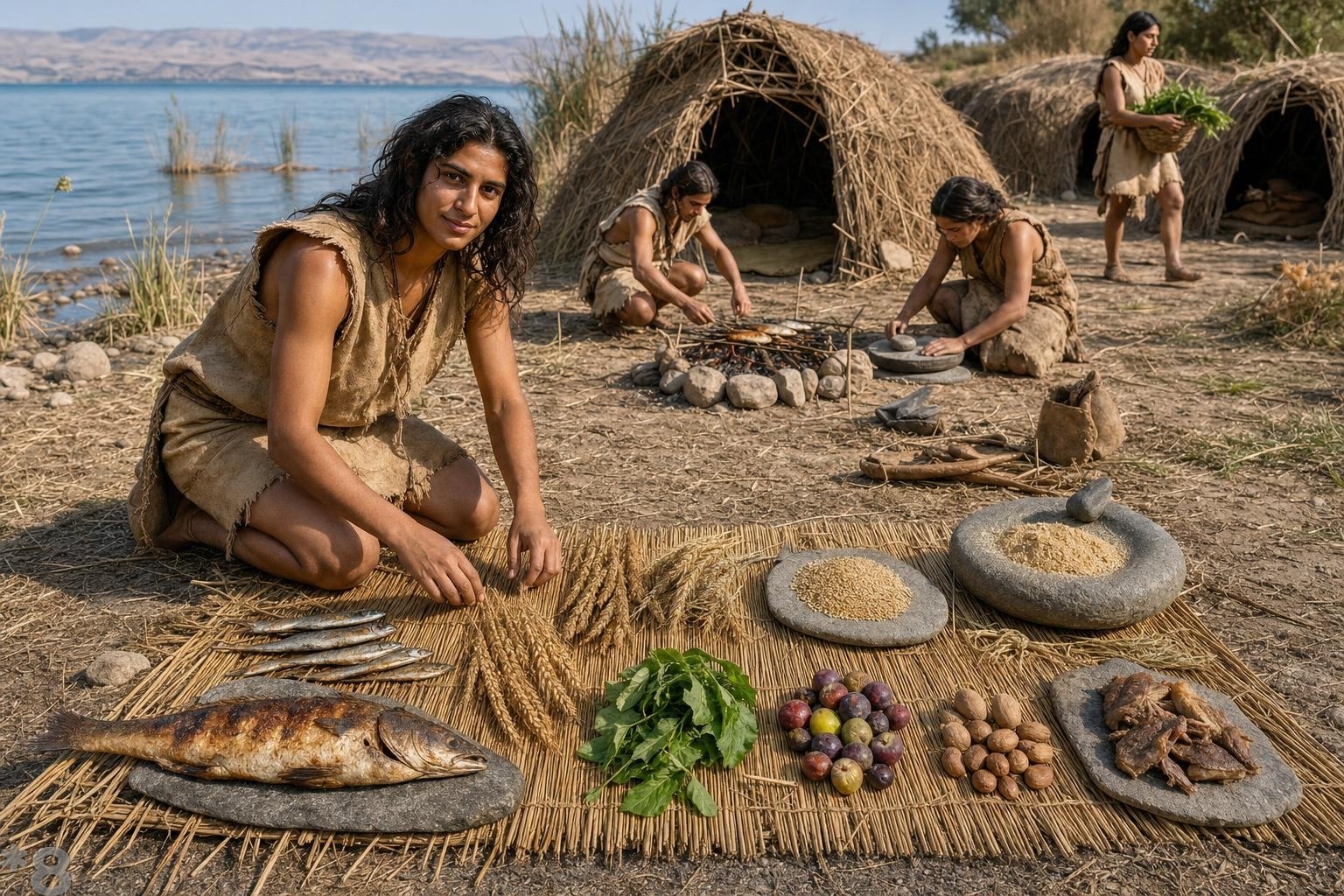
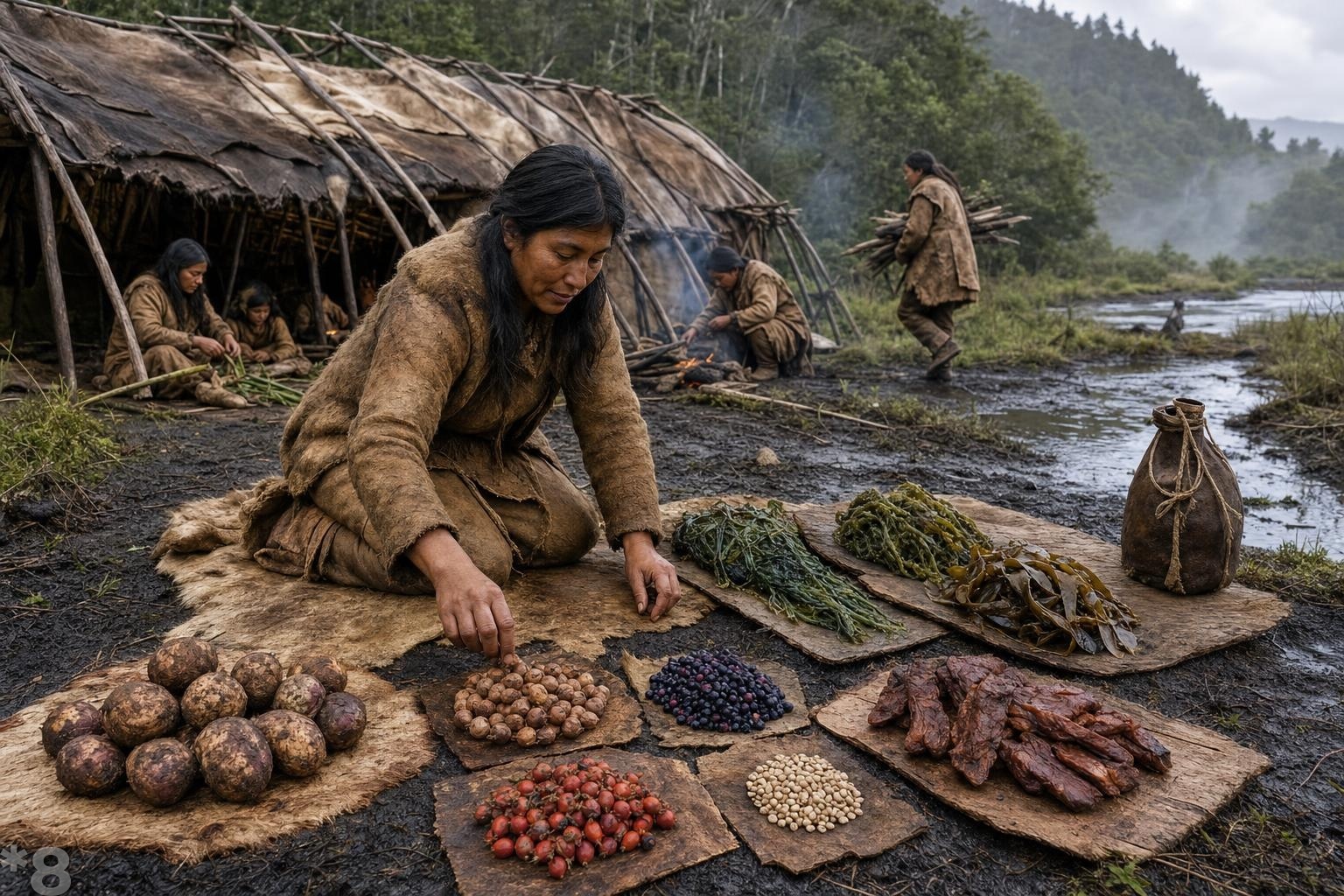
Plants are the most underrepresented food in the Paleolithic record, because they so rarely survive. Where they do, they change the picture. At Shanidar, charred lumps of cooked plant food, often made with pounded pulses, come mostly from Upper Paleolithic (Baradostian) layers, an industry usually associated with Homo sapiens; one fragment comes from the earlier Mousterian deposits of the Neanderthal era [3]. Assigning all of them to Neanderthals would be a mistake. At El Sidrón, DNA in Neanderthal dental calculus was interpreted as evidence of mushrooms and pine nuts; the moss DNA reported alongside them does not establish that moss was eaten [4, 32]. At Madjedbebe in northern Australia, charred remains show the earliest known Australians, between 65,000 and 53,000 years ago, eating a range of plant foods, including some that required processing [15]. Ohalo II preserved more than 90,000 plant remains, with wild grasses and cereals as staples [2]. At Monte Verde in southern Chile, seaweed from distant shores was brought to hearths about 14,000 years ago, for food and perhaps medicine [7]. Underground foods appear where methods can find them: the yams and aroids in Niah's starch record belong to the first chapter.
3. Animals, Hunting, and Scavenging
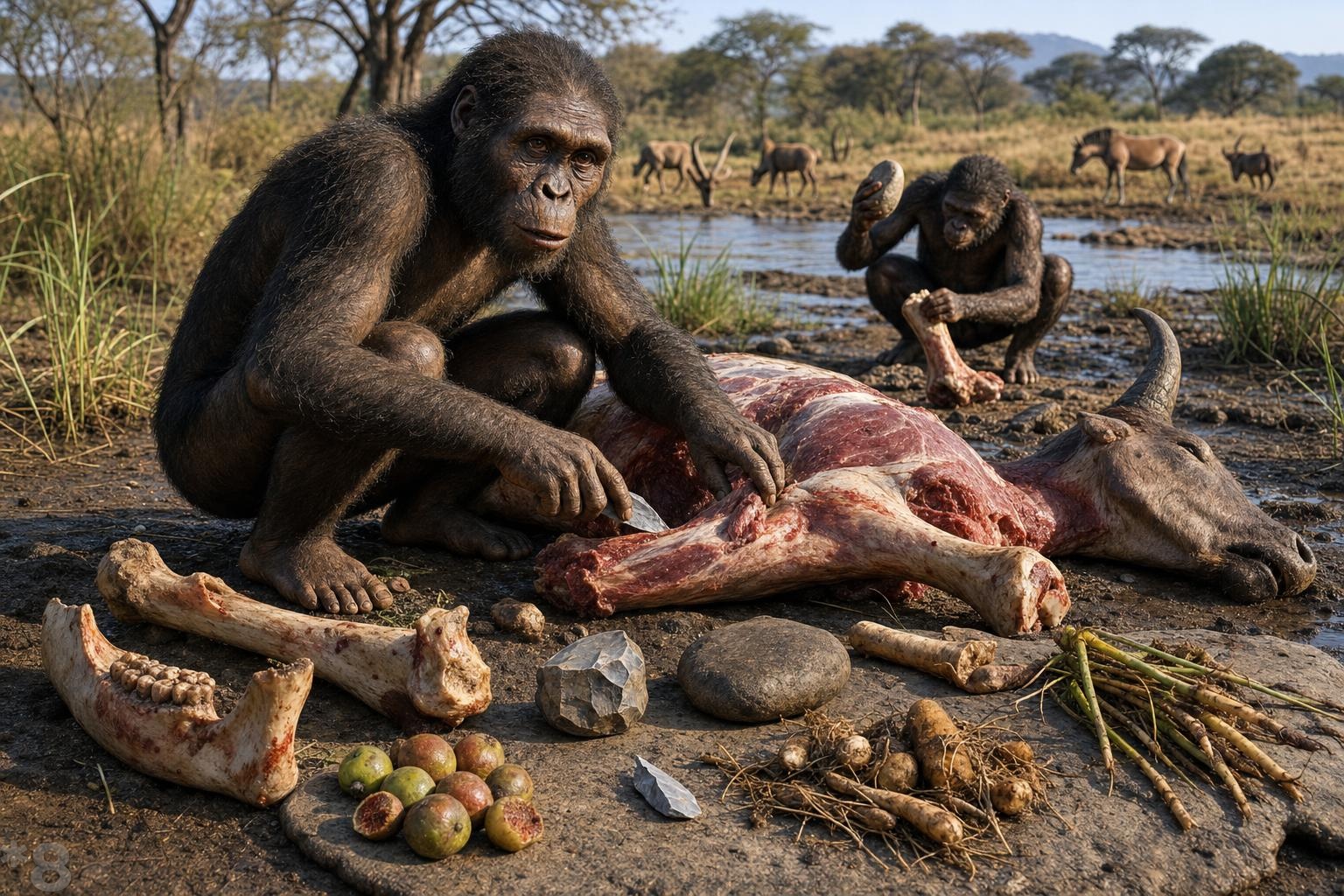
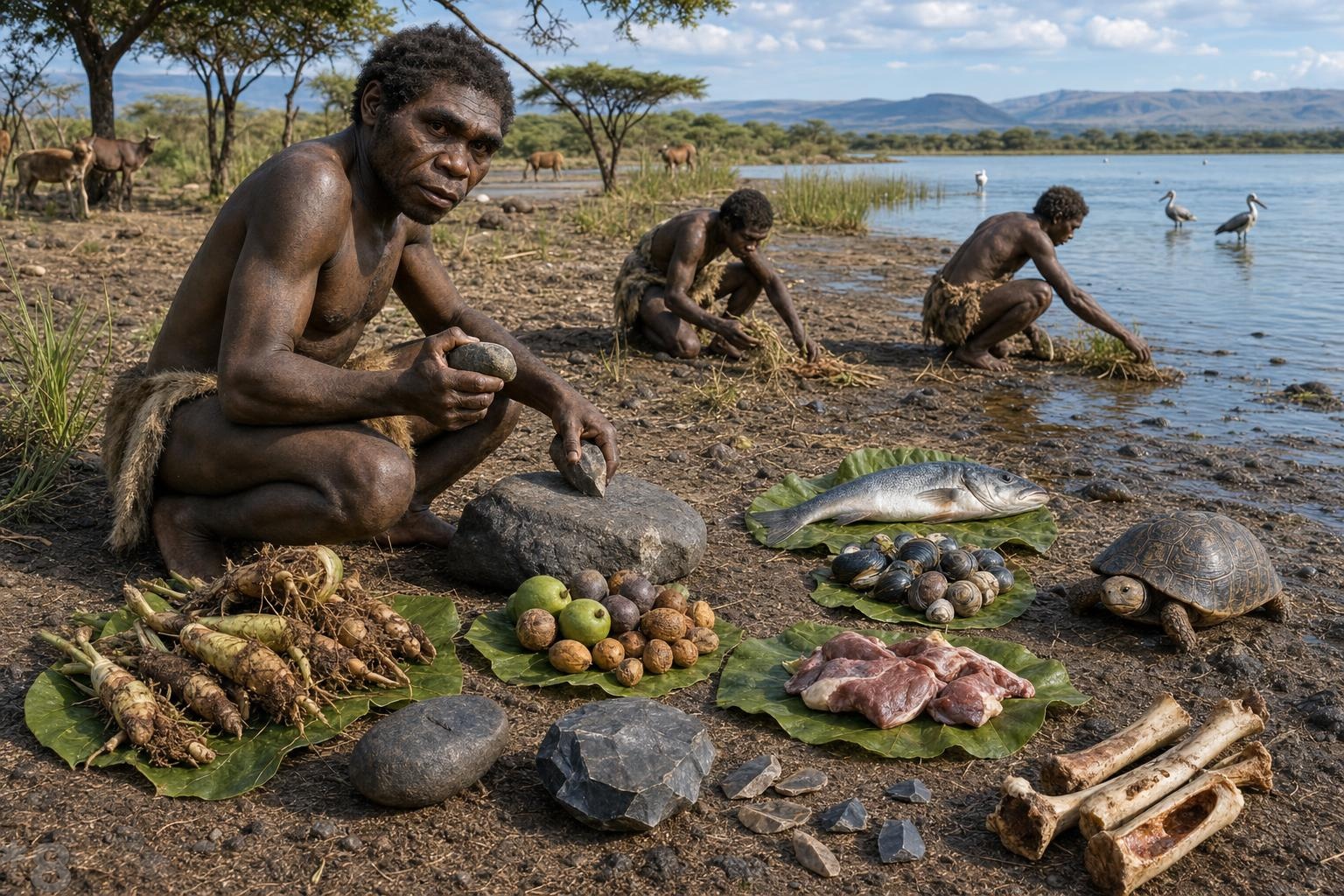
Marks securely identified as stone-tool cuts can establish that a carcass was processed; they do not by themselves establish that the animal was hunted. At Bouri in Ethiopia, about 2.5 million years ago, cut-marked bones show hominins taking meat and marrow [16]. At Kanjera South in Kenya, about 2 million years ago, Oldowan toolmakers repeatedly acquired and processed small antelope-sized carcasses, and had at least occasional access to the fleshed remains of wildebeest-sized animals: the earliest archaeological evidence of persistent carnivory [17]. At FwJj20 in the Koobi Fora Formation, East Turkana, an assemblage dated to about 1.95 million years ago includes butchered terrestrial and aquatic animals, among them turtles, crocodiles and fish [18]. Boxgrove, in southern England, preserves a horse butchery site published in full in 2020 as a high-resolution record of Lower Paleolithic behaviour [19]. Much later, at Dolní Věstonice and other mammoth-rich sites in Central Europe, researchers have read the great deposits of mammoth bone both as the result of specialised hunting and as natural accumulations that people exploited afterwards [20]. Each entry answers a different part of the question: who processed the carcass, how soon they reached it, and whether they killed it.
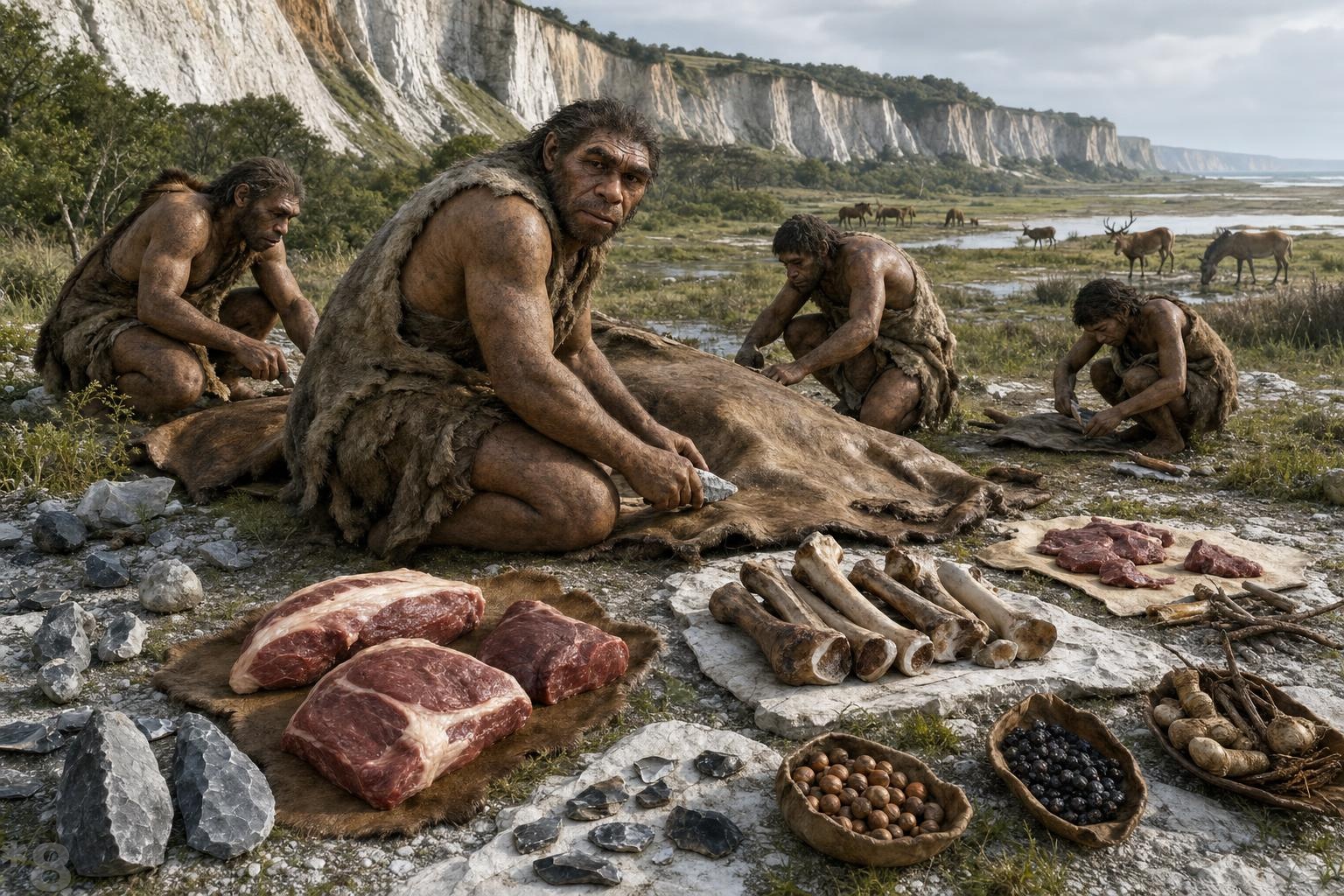
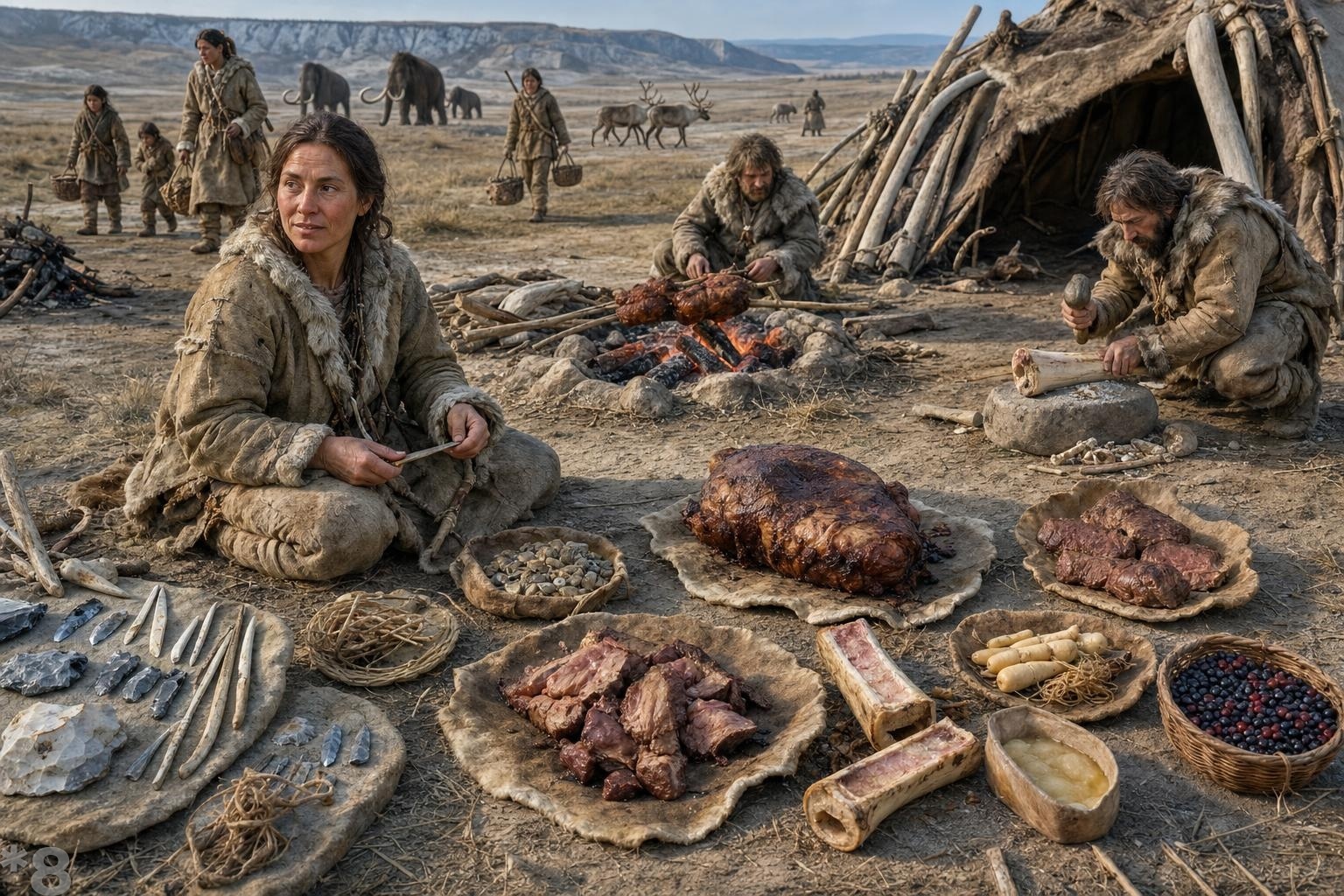
4. Fire, Tools, and Food Processing
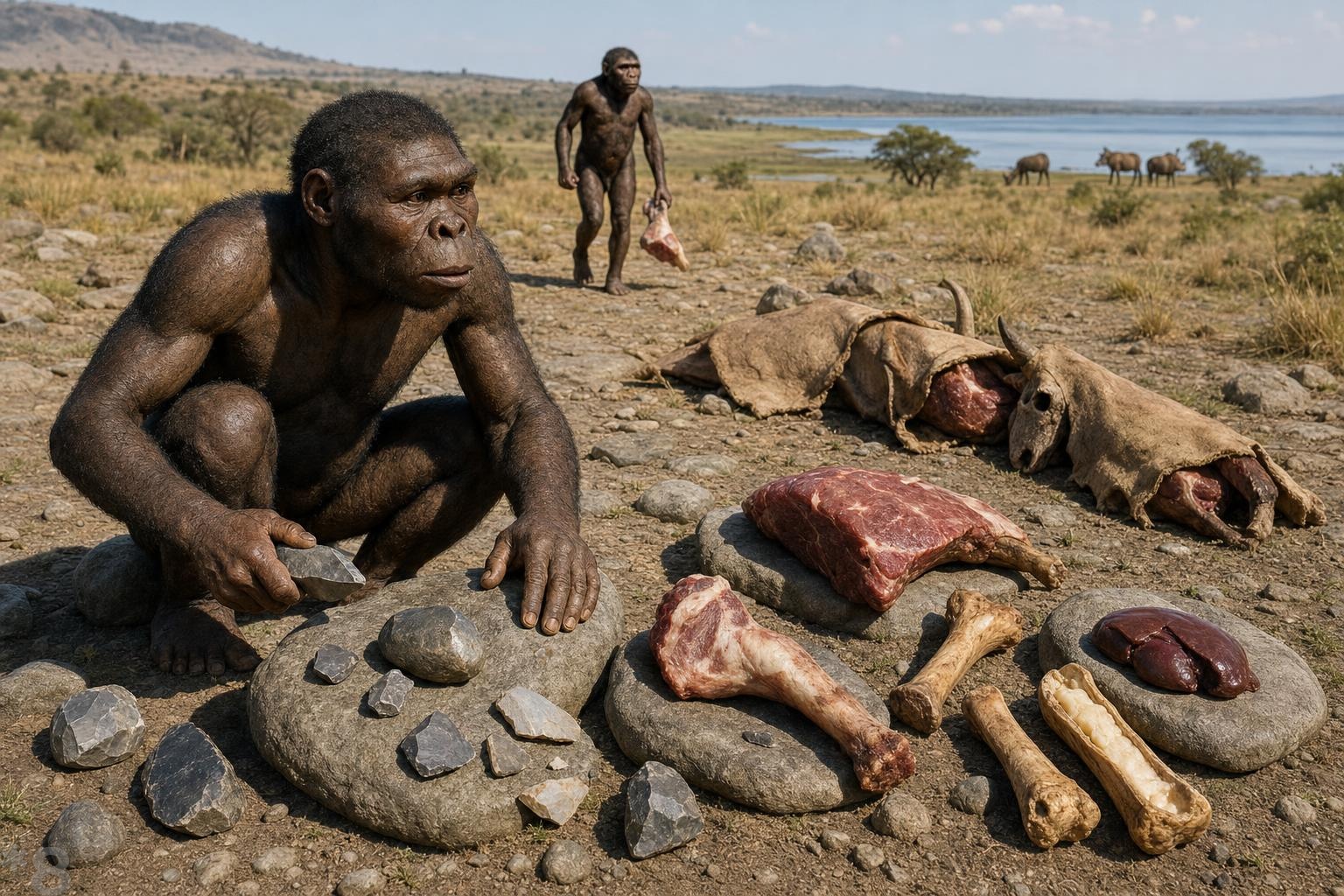
Making a tool, controlling fire, making fire, cooking a particular food and cooking in a pot are separate thresholds, crossed at different times and not in a tidy sequence. The stone tools at Lomekwi 3, about 3.3 million years old, are the earliest known [1]; they do not show what was cut with them. At Wonderwerk Cave in South Africa, burned bone and ashed plant remains show burning inside the cave about a million years ago [21]. Burning is not yet cooking. At Gesher Benot Ya'aqov in Israel, about 780,000 years ago, fish teeth clustered around burned flint and heated below 500 °C point to the cooking of fish [22]. Beeches Pit in Suffolk preserves hearths and repeated burning about 400,000 years ago [23]. It is not the site of the newest fire-making evidence: that comes from Barnham, a separate British site with no atlas entry, where heated sediments, fire-cracked handaxes and two fragments of iron pyrite, a mineral later used to strike sparks, indicate deliberate fire-making about 400,000 years ago [24]. At the end of the period, residues on the Incipient Jōmon pots analysed by Craig and colleagues, dated to about 15,000–11,800 cal BP, mostly indicate the processing of freshwater and marine organisms [6]. These pots do not date the much later Sannai Maruyama settlement, occupied about 5,900 to 4,200 years ago, whose region names the atlas entry [33].
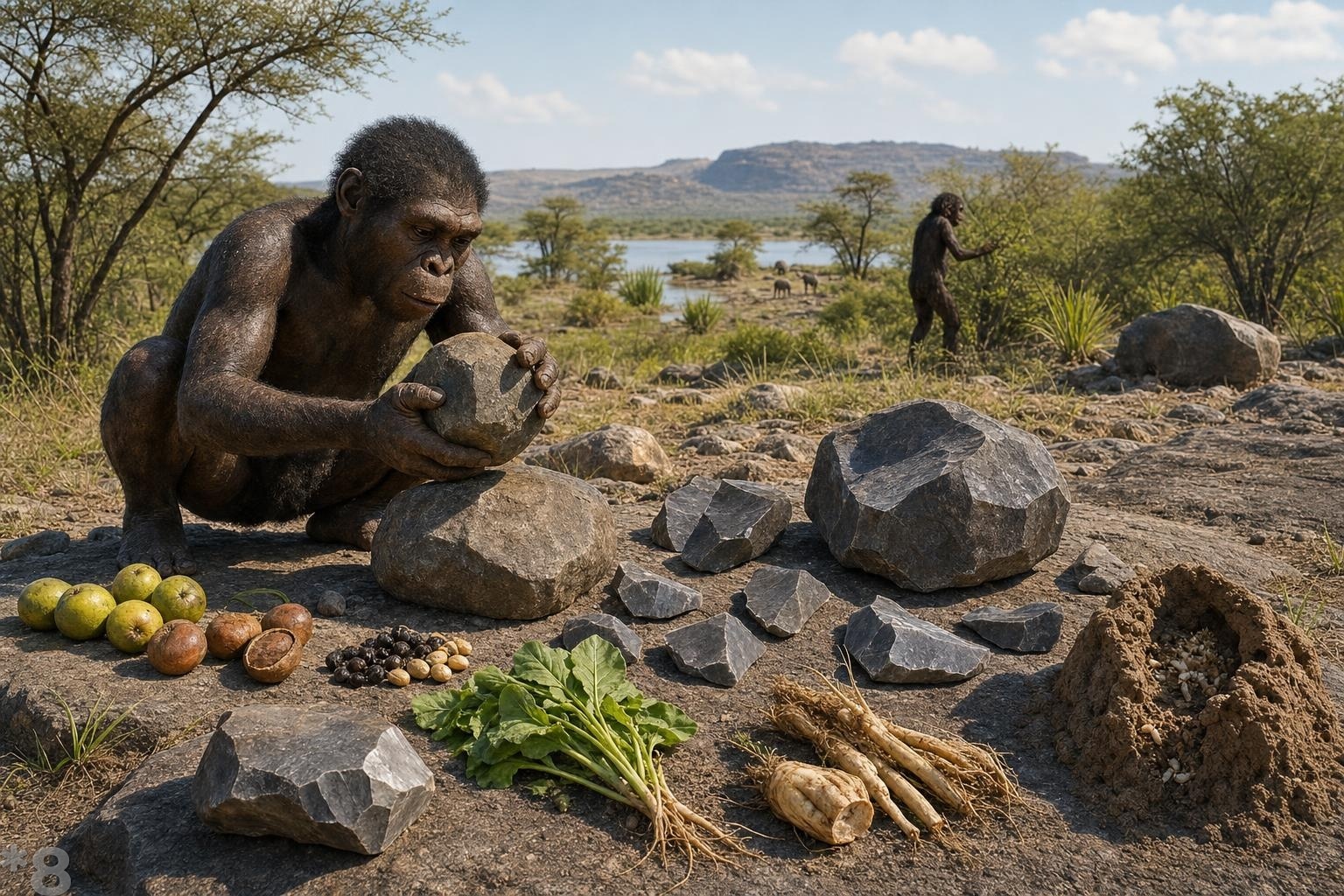
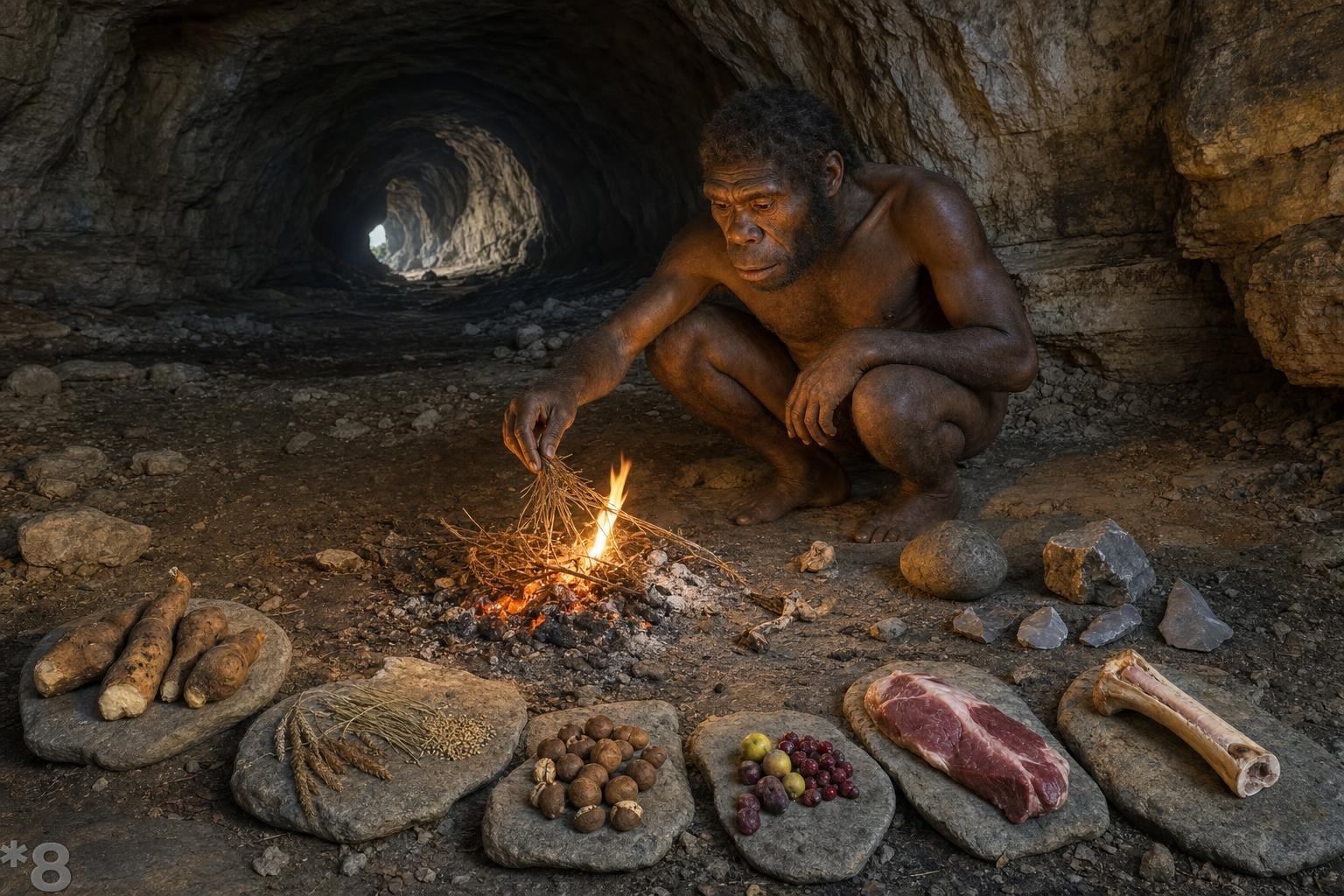
5. Evidence, Uncertainty, and the Limits of Reconstruction
The last chapter is about method. At Dikika in Ethiopia, bones more than 3.39 million years old carry marks that their discoverers identified as stone-tool cut and percussion marks [25]; other researchers, testing marks made with unmodified rocks, have argued that the claim is not secure [26]. Nothing in that evidence ties the Dikika child, Selam, to the marks. At Taung in South Africa, damage to the Taung child's skull has been interpreted as evidence of predation by a bird of prey [27]. That concerns the child's death and the accumulation of its remains; it does not establish what the child ate. Makapansgat belongs to the South African caves whose bone accumulations C. K. Brain re-examined under the question of whether australopithecines were the hunters or the hunted [28]. Tabun's long sequence poses the opposite problem: many layers and many occupants, whose remains cannot be assigned to one group or period without careful dating. At the Paisley Caves in Oregon, researchers reported human DNA in coprolites older than the Clovis culture [29]. Goldberg and colleagues questioned the human identification of one specimen [30]; later blind testing by an independent laboratory confirmed human DNA in pre-Clovis specimens [31], although identifying DNA and identifying the animal that deposited a coprolite are separate checks. Even direct evidence has to survive scrutiny.
Featured Investigation
The collection's first chapter also stands as a full investigation. Where the note above summarises, the investigation argues: it follows Dmanisi, Olorgesailie, Liang Bua, Niah and Yana in detail, cites the studies behind each claim, and records for each site what was observed, what has been inferred and what the evidence cannot show.
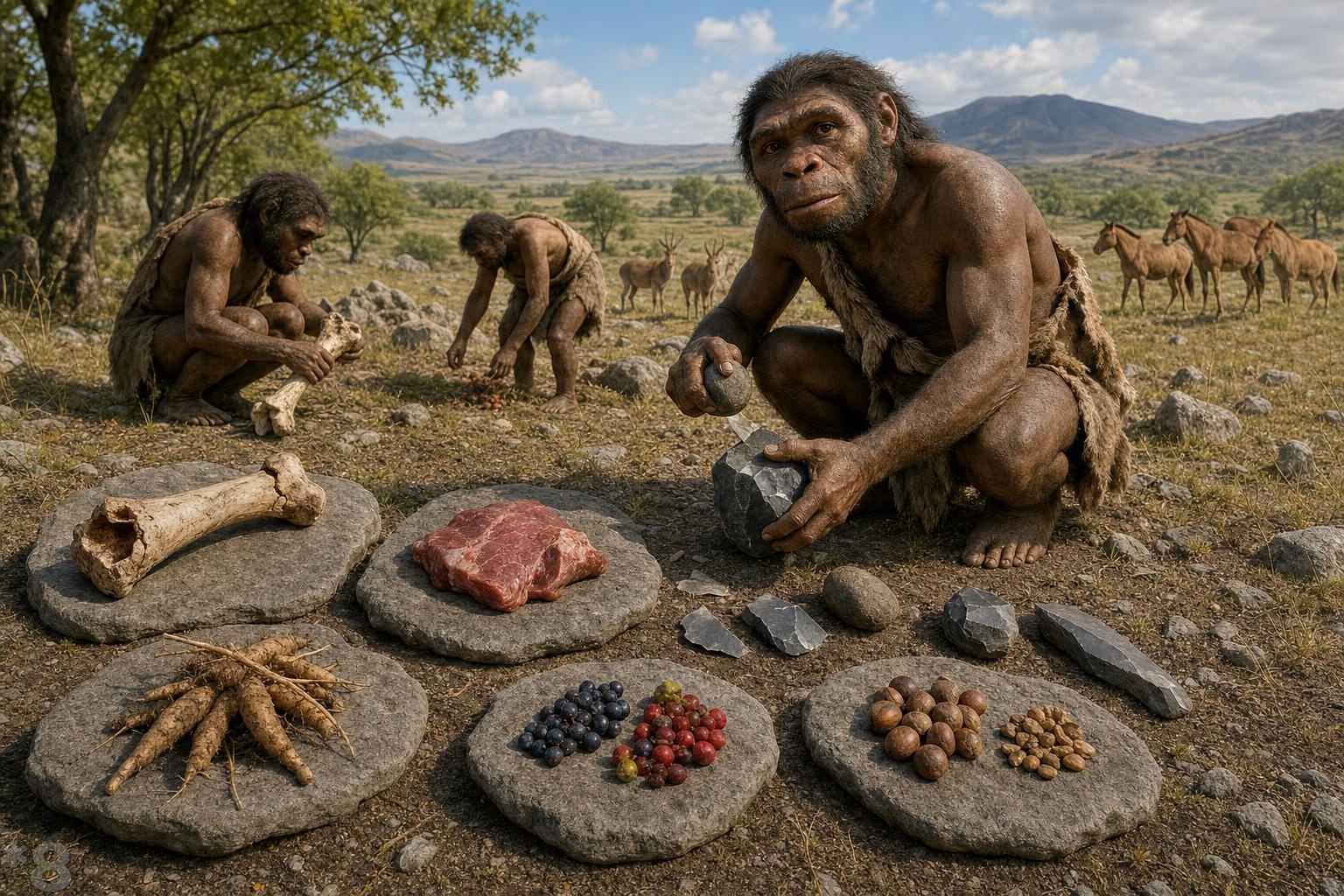
Environments and Adaptation
The oldest food evidence belongs to particular landscapes, not to one Paleolithic menu. A Caucasian forest-steppe, an East African rift basin, an island, a rainforest and the Arctic each posed a different problem, and each preserves a different, partial record of how people met it.
Sources
- Harmand, S., Lewis, J. E., Feibel, C. S., et al. (2015). “3.3-million-year-old stone tools from Lomekwi 3, West Turkana, Kenya.” Nature 521, 310–315. DOI: https://doi.org/10.1038/nature14464
- Weiss, E., Wetterstrom, W., Nadel, D., & Bar-Yosef, O. (2004). “The broad spectrum revisited: evidence from plant remains.” Proceedings of the National Academy of Sciences 101, 9551–9555. DOI: https://doi.org/10.1073/pnas.0402362101
- Kabukcu, C., Hunt, C., Hill, E., et al. (2023). “Cooking in caves: Palaeolithic carbonised plant food remains from Franchthi and Shanidar.” Antiquity 97, 12–28. DOI: https://doi.org/10.15184/aqy.2022.143
- Weyrich, L. S., Duchene, S., Soubrier, J., et al. (2017). “Neanderthal behaviour, diet, and disease inferred from ancient DNA in dental calculus.” Nature 544, 357–361. DOI: https://doi.org/10.1038/nature21674
- Deino, A. L., Behrensmeyer, A. K., Brooks, A. S., et al. (2018). “Chronology of the Acheulean to Middle Stone Age transition in eastern Africa.” Science 360, 95–98. DOI: https://doi.org/10.1126/science.aao2216
- Craig, O. E., Saul, H., Lucquin, A., et al. (2013). “Earliest evidence for the use of pottery.” Nature 496, 351–354. DOI: https://doi.org/10.1038/nature12109
- Dillehay, T. D., Ramírez, C., Pino, M., et al. (2008). “Monte Verde: seaweed, food, medicine, and the peopling of South America.” Science 320, 784–786. DOI: https://doi.org/10.1126/science.1156533
- Tappen, M., Lordkipanidze, D., Bukhsianidze, M., Ferring, R., & Vekua, A. (2007). “Are you in or out (of Africa)? Site formation at Dmanisi and actualistic studies in Africa.” In T. R. Pickering, K. Schick & N. Toth (eds), Breathing Life into Fossils: Taphonomic Studies in Honor of C. K. (Bob) Brain. Stone Age Institute Press. Full text: https://www.stoneageinstitute.org/pdfs/breathing-fossils-ch7-tappen.pdf
- Coil, R., Tappen, M., Ferring, R., Bukhsianidze, M., Nioradze, M., & Lordkipanidze, D. (2020). “Spatial patterning of the archaeological and paleontological assemblage at Dmanisi, Georgia: An analysis of site formation and carnivore-hominin interaction in Block 2.” Journal of Human Evolution 143, 102773. DOI: https://doi.org/10.1016/j.jhevol.2020.102773
- Smithsonian Institution, Human Origins Program. “Olorgesailie, Kenya.” Updated 8 July 2024. https://humanorigins.si.edu/research/east-african-research-projects/olorgesailie-kenya
- Veatch, E. G., Alamsyah, N., Pante, M., et al. (2026). “Taphonomic analysis at Liang Bua reveals the behavioral and technological capabilities of Homo floresiensis.” Science Advances 12, eaeb7219. DOI: https://doi.org/10.1126/sciadv.aeb7219
- Barton, H. (2005). “The case for rainforest foragers: the starch record at Niah Cave, Sarawak.” Asian Perspectives 44, 56–72. DOI: https://doi.org/10.1353/asi.2005.0005
- Nikolskiy, P., & Pitulko, V. (2013). “Evidence from the Yana Palaeolithic site, Arctic Siberia, yields clues to the riddle of mammoth hunting.” Journal of Archaeological Science 40, 4189–4197. DOI: https://doi.org/10.1016/j.jas.2013.05.020
- Bower, B. (2013). “Ancient Siberians may have rarely hunted mammoths.” Science News, 12 June 2013. https://www.sciencenews.org/article/ancient-siberians-may-have-rarely-hunted-mammoths
- Florin, S. A., Fairbairn, A. S., Nango, M., et al. (2020). “The first Australian plant foods at Madjedbebe, 65,000–53,000 years ago.” Nature Communications 11, 924. DOI: https://doi.org/10.1038/s41467-020-14723-0
- de Heinzelin, J., Clark, J. D., White, T., et al. (1999). “Environment and behavior of 2.5-million-year-old Bouri hominids.” Science 284, 625–629. DOI: https://doi.org/10.1126/science.284.5414.625
- Ferraro, J. V., Plummer, T. W., Pobiner, B. L., et al. (2013). “Earliest archaeological evidence of persistent hominin carnivory.” PLoS ONE 8, e62174. DOI: https://doi.org/10.1371/journal.pone.0062174
- Braun, D. R., Harris, J. W. K., Levin, N. E., et al. (2010). “Early hominin diet included diverse terrestrial and aquatic animals 1.95 Ma in East Turkana, Kenya.” Proceedings of the National Academy of Sciences 107, 10002–10007. DOI: https://doi.org/10.1073/pnas.1002181107
- Pope, M., Parfitt, S., & Roberts, M. (2020). The Horse Butchery Site: A High Resolution Record of Lower Palaeolithic Hominin Behaviour at Boxgrove, UK. SpoilHeap Publications. Reviewed by Hosfield (2021), Antiquity 95, 1348–1350. DOI: https://doi.org/10.15184/aqy.2021.104
- Svoboda, J., Péan, S., & Wojtal, P. (2005). “Mammoth bone deposits and subsistence practices during Mid-Upper Palaeolithic in Central Europe: three cases from Moravia and Poland.” Quaternary International 126–128, 209–221. DOI: https://doi.org/10.1016/j.quaint.2004.04.024
- Berna, F., Goldberg, P., Horwitz, L. K., et al. (2012). “Microstratigraphic evidence of in situ fire in the Acheulean strata of Wonderwerk Cave, Northern Cape province, South Africa.” Proceedings of the National Academy of Sciences 109(20). DOI: https://doi.org/10.1073/pnas.1117620109
- Zohar, I., Alperson-Afil, N., Goren-Inbar, N., et al. (2022). “Evidence for the cooking of fish 780,000 years ago at Gesher Benot Ya'aqov, Israel.” Nature Ecology & Evolution 6, 2016–2028. DOI: https://doi.org/10.1038/s41559-022-01910-z
- Preece, R. C., Gowlett, J. A. J., Parfitt, S. A., et al. (2006). “Humans in the Hoxnian: habitat, context and fire use at Beeches Pit, West Stow, Suffolk, UK.” Journal of Quaternary Science 21, 485–496. DOI: https://doi.org/10.1002/jqs.1043
- Davis, R., Hatch, M., Hoare, S., et al. (2026; published online December 2025). “Earliest evidence of making fire.” Nature 649, 631–637. DOI: https://doi.org/10.1038/s41586-025-09855-6
- McPherron, S. P., Alemseged, Z., Marean, C. W., et al. (2010). “Evidence for stone-tool-assisted consumption of animal tissues before 3.39 million years ago at Dikika, Ethiopia.” Nature 466, 857–860. DOI: https://doi.org/10.1038/nature09248
- Domínguez-Rodrigo, M., Pickering, T. R., & Bunn, H. T. (2012). “Experimental study of cut marks made with rocks unmodified by human flaking and its bearing on claims of ~3.4-million-year-old butchery evidence from Dikika, Ethiopia.” Journal of Archaeological Science 39, 205–214. DOI: https://doi.org/10.1016/j.jas.2011.03.010
- Berger, L. R. (2006). “Brief communication: Predatory bird damage to the Taung type-skull of Australopithecus africanus Dart 1925.” American Journal of Physical Anthropology 131, 166–168. DOI: https://doi.org/10.1002/ajpa.20415
- Brain, C. K. (1981). The Hunters or the Hunted? An Introduction to African Cave Taphonomy. University of Chicago Press. Reviewed by Klein (1982), Paleobiology 8, 171–175. DOI: https://doi.org/10.1017/s0094837300004528
- Gilbert, M. T. P., Jenkins, D. L., Götherström, A., et al. (2008). “DNA from pre-Clovis human coprolites in Oregon, North America.” Science 320, 786–789. DOI: https://doi.org/10.1126/science.1154116
- Goldberg, P., Berna, F., & Macphail, R. I. (2009). “Comment on ‘DNA from pre-Clovis human coprolites in Oregon, North America’.” Science 325, 148. DOI: https://doi.org/10.1126/science.1167531
- Jenkins, D. L., Davis, L. G., Stafford, T. W., et al. (2012). “Clovis age Western Stemmed projectile points and human coprolites at the Paisley Caves.” Science 337, 223–228. DOI: https://doi.org/10.1126/science.1218443
- Dickson, J., Oeggl, K., & Stanton, D. (2017). “‘Forest moss’: no part of the European Neanderthal diet.” Antiquity 91. DOI: https://doi.org/10.15184/aqy.2017.165
- Sannai Maruyama Site, official English site (Aomori Prefecture). “Information.” https://sannaimaruyama.pref.aomori.jp/english/information/
Spot something wrong in this collection?