
COLLECTION · PREHISTORY
The Origins of Cooking
When people began to cook, and how the evidence separates burning, fire, hearths and cooked food across a million years.
From the oldest secure evidence of burning in a cave, about a million years ago, to pottery and the first farming settlements, across Africa, Eurasia, Australia and the Americas.
Cooking leaves poor evidence. A meal is eaten, a fire burns out, and its ash blows away or washes into a layer that can look like a hearth without being one. What survives is usually indirect: burned bone, heated flint, reddened sediment, now and then a charred fragment of food. Each of these answers a narrower question than “when did people start cooking?”, and the answers do not arrive in a tidy order.
This collection follows that question through 19 entries in the atlas, arranged in five chapters. It separates thresholds that are often run together: burning in a place people used; fire kept under control; fire used habitually; fire made at will; and a particular food shown to have been cooked. Cooking equipment, from ovens to pots, comes much later. The entries run from South Africa, Israel and Portugal to England, Iraq, Belgium and Spain; and from northern Australia and Borneo to China, Japan and southern Chile.
Fire is not yet cooking
The oldest secure evidence for burning in an archaeological context comes from Wonderwerk Cave in South Africa, about a million years ago, where burned bone and ashed plant remains lie where they burned [1]. Older traces, such as burned sediment at Koobi Fora in Kenya about 1.5 million years ago, are still debated, partly because landscapes burn without help and the first use of fire may have involved natural fires [2, 3]. At Gesher Benot Ya’aqov in Israel, burned seeds, wood and flint concentrated in particular spots nearly 790,000 years ago suggest that fire was controlled there [4]. Fire seems to have become a habitual part of life only much later: in Europe from about 400,000–300,000 years ago [5], and in the Levant between 350,000 and 320,000 years ago [6]. The oldest evidence for making fire, rather than keeping it, comes from Barnham in England, about 400,000 years ago, a site with no atlas entry [7].
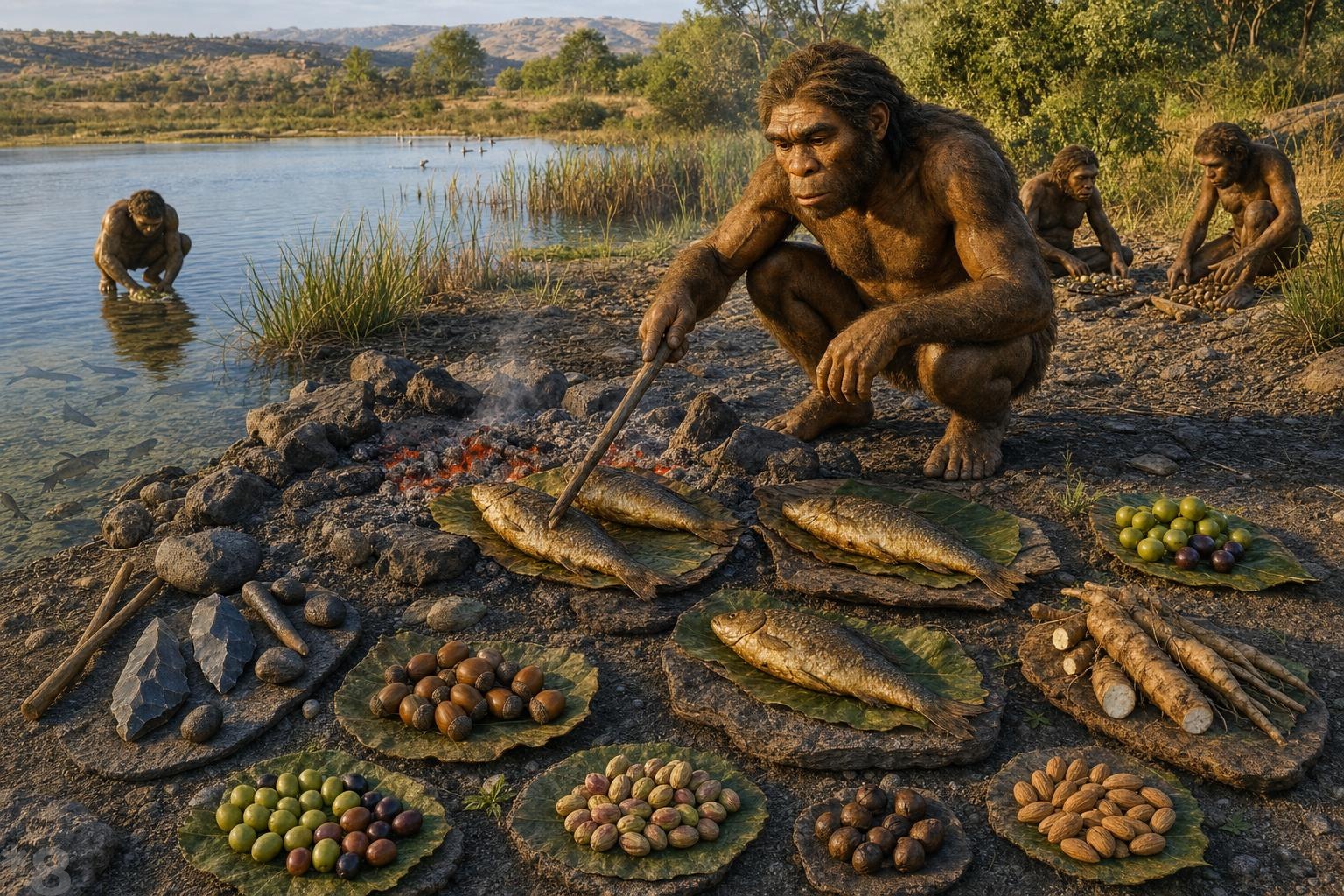
None of this is yet cooking. A fire can warm, light, protect and harden wood without touching food. To show cooking, something edible has to survive with the marks of heat on it, in a context that ties it to people. The oldest claim of that kind also comes from Gesher Benot Ya’aqov: carp throat teeth, heated below 500 °C and clustered around burned flint, read as fish cooked and eaten on site about 780,000 years ago [8]. Direct evidence for cooked plant food is far younger: charred starchy rhizomes at Border Cave in South Africa, up to 170,000 years ago [9], and charred starchy tissue in hearths at Klasies River, about 120,000 and 65,000 years ago [10]. Neither site has an atlas entry.
A hypothesis older than the evidence
A long-running argument starts from biology rather than archaeology. Richard Wrangham and colleagues proposed that the smaller teeth and larger female body size of early Homo erectus, about 1.9 million years ago, are signs of a diet already improved by cooking [11], and later set out how cooking raises the energy a body gets from food [12]. The archaeological record has not yet reached that date. The gap may mean that cooking began later than the hypothesis needs, or that the earliest fires left little that survives, and both readings remain in play [2, 3]. A related idea, that larger brains were paid for with smaller guts, found no support in a comparison of 100 mammal species [13]. That test does not settle when cooking began.
How to read the collection
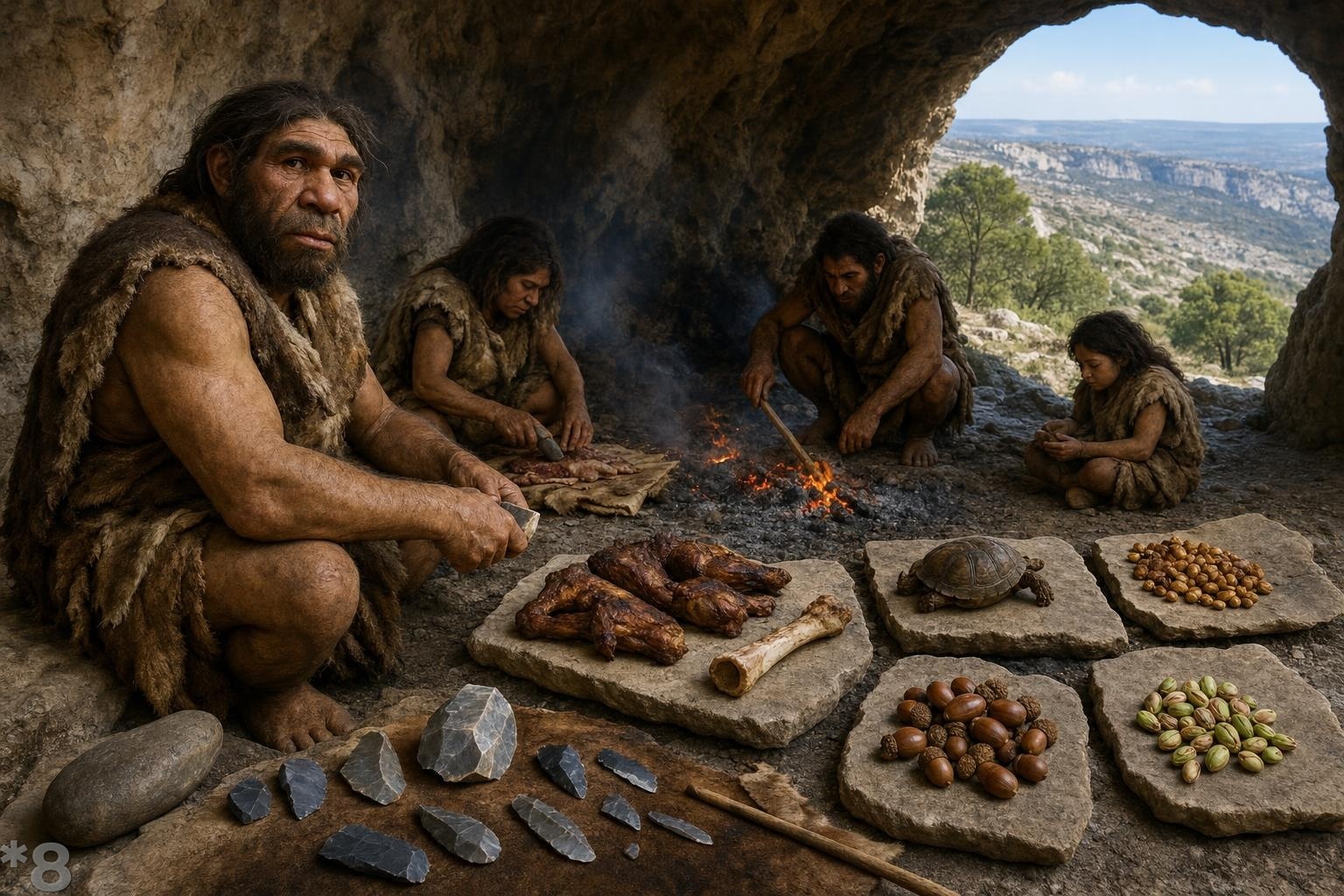
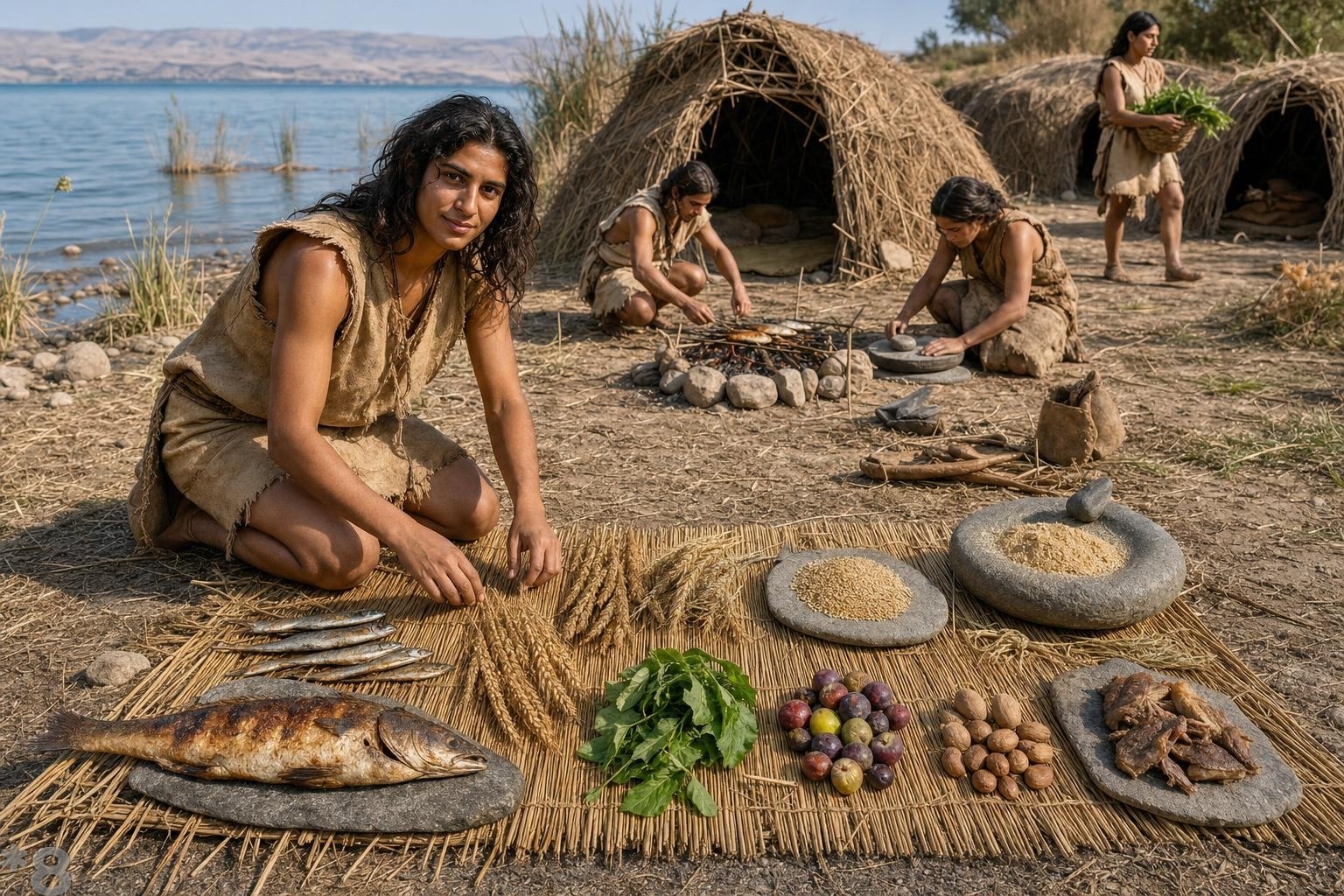
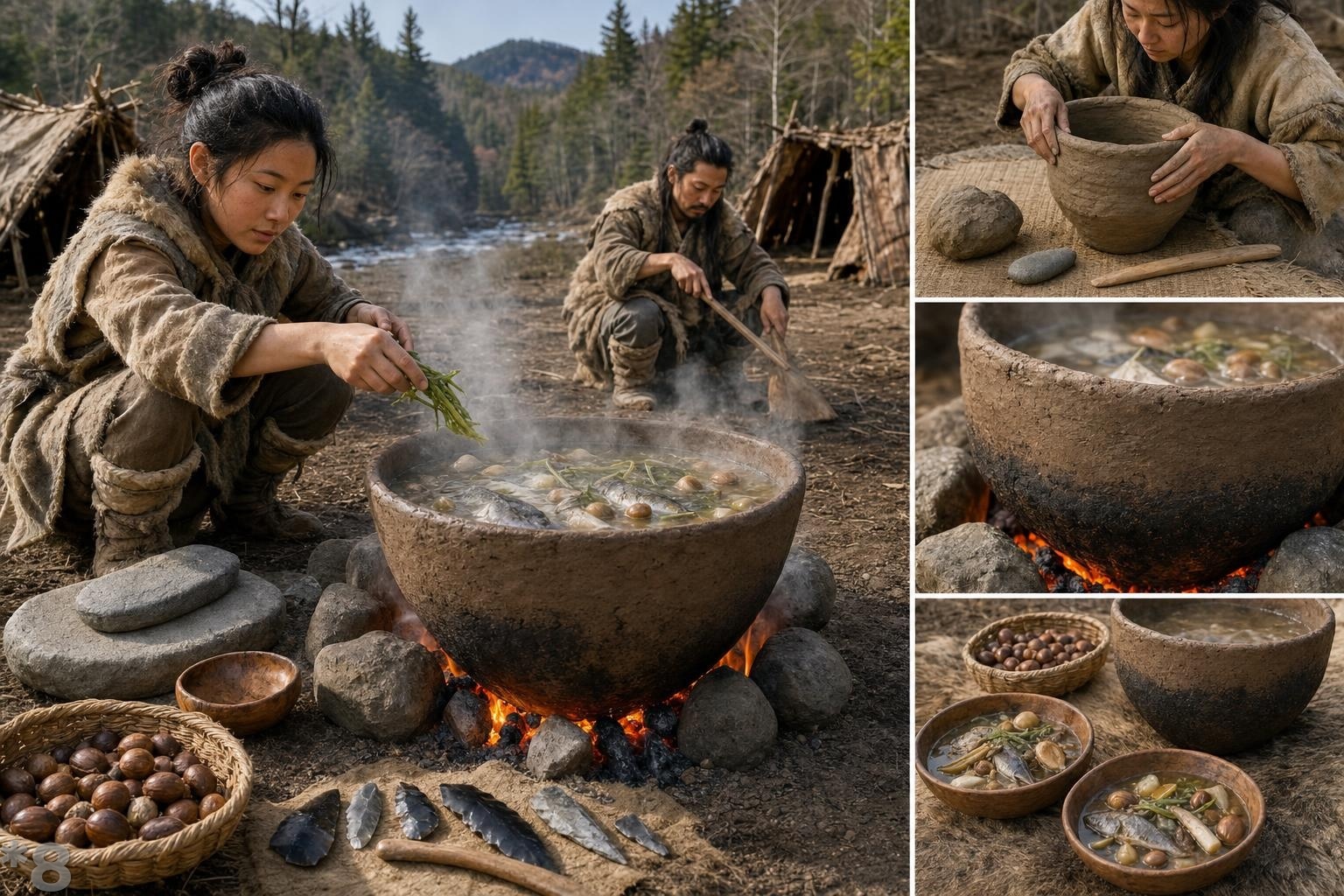
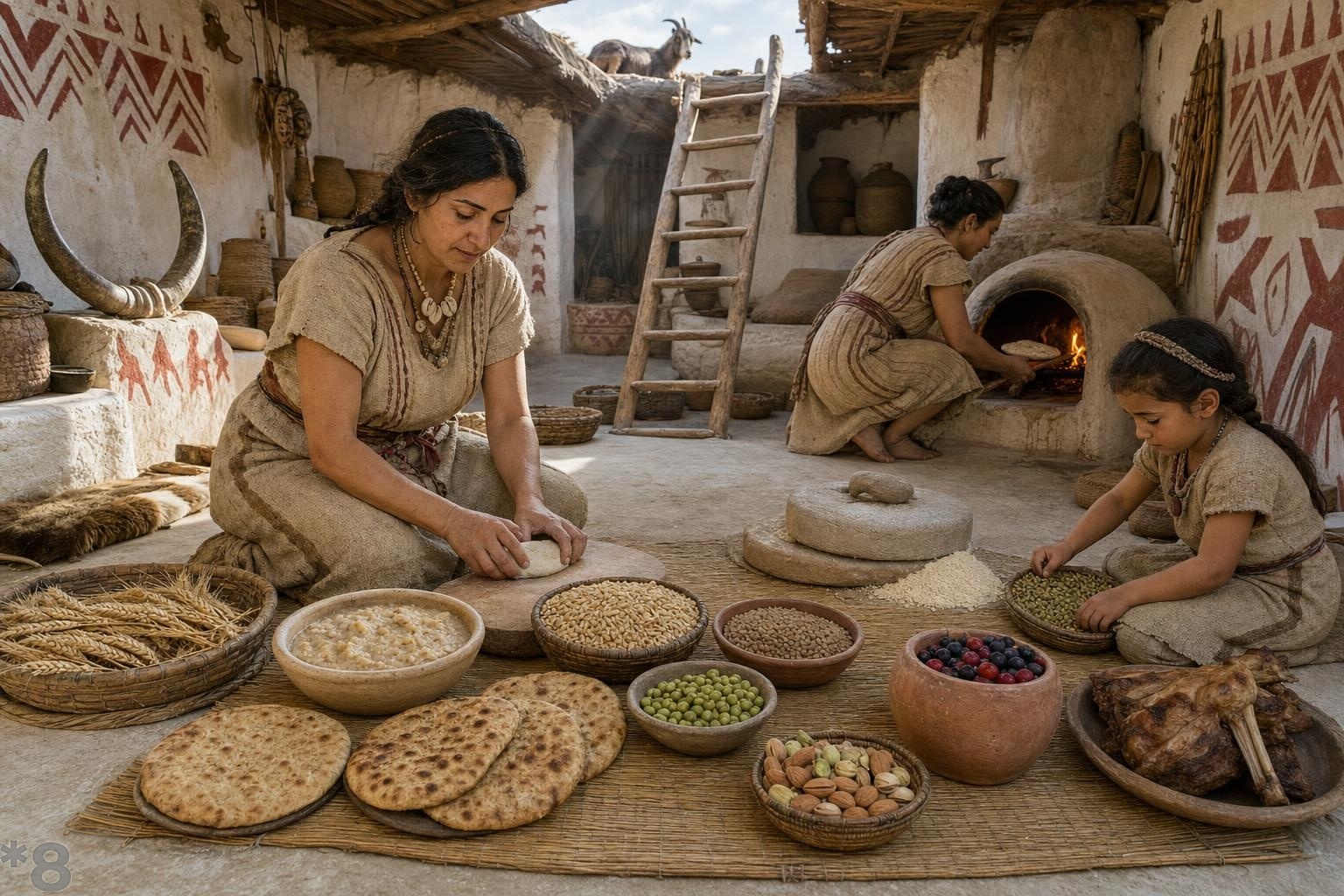
The chapters can be read in order or separately. The first sets out the fire evidence; the second the equipment built around fire, from hearths to ovens and pots; the third the foods for which cooking is directly shown; the fourth the different ways regions used heat; the fifth the gaps, including the debate over fire at Zhoukoudian. Each tile opens an atlas entry: a reconstructed scene with its own evidence assessment. The scenes are reconstructions, not finds, and the dates on the tiles are the atlas’s editorial ranges; the chapter notes give the dates the studies support. Several entries also appear in our collection Food in the Paleolithic, where they serve a survey of a whole period. Here they are read for one question.
The thread through all five chapters is the same. Burning, fire, hearth and cooked food are different claims, supported by different evidence, and most of the uncertainty lies in the distance between them.
- Burning in a caveabout 1.0 million years agoWonderwerk Cave [1]. Older claims, such as Koobi Fora about 1.5 million years ago, are debated [2].
- Controlled fire, and cooked fishabout 790,000–780,000 years agoGesher Benot Ya’aqov [4, 8].
- Habitual fire, and fire-makingfrom about 400,000–300,000 years agoEurope and the Levant [5, 6]; fire-making at Barnham, about 400,000 years ago [7].
- Cooked plant foodsfrom about 170,000 years agoBorder Cave and Klasies River, South Africa [9, 10].
- Potteryfrom about 20,000 years agoXianrendong, China [18]; residues on Jōmon pots from about 15,000 cal BP [19].
Chapters
1. Burning Is Not Yet Cooking
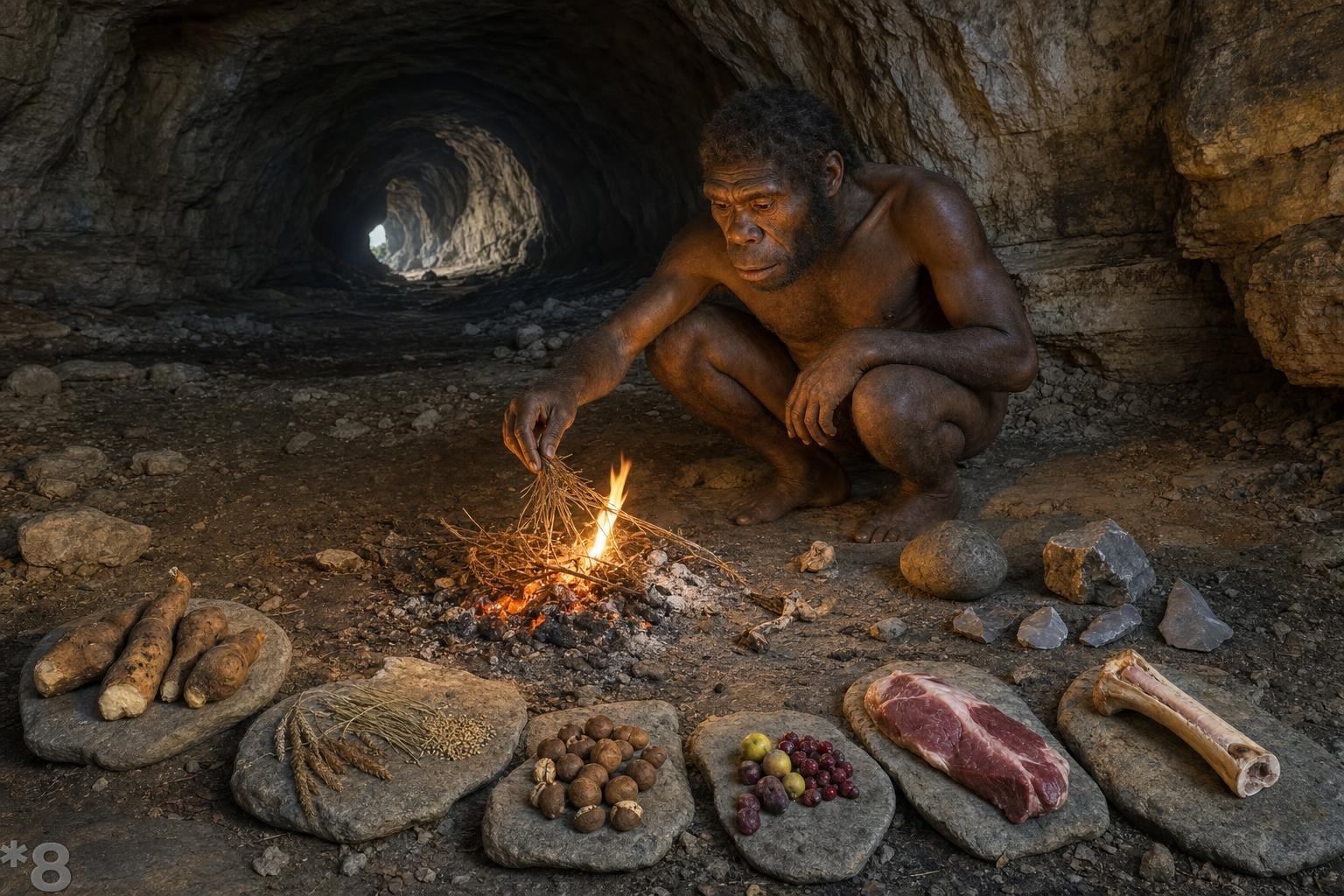
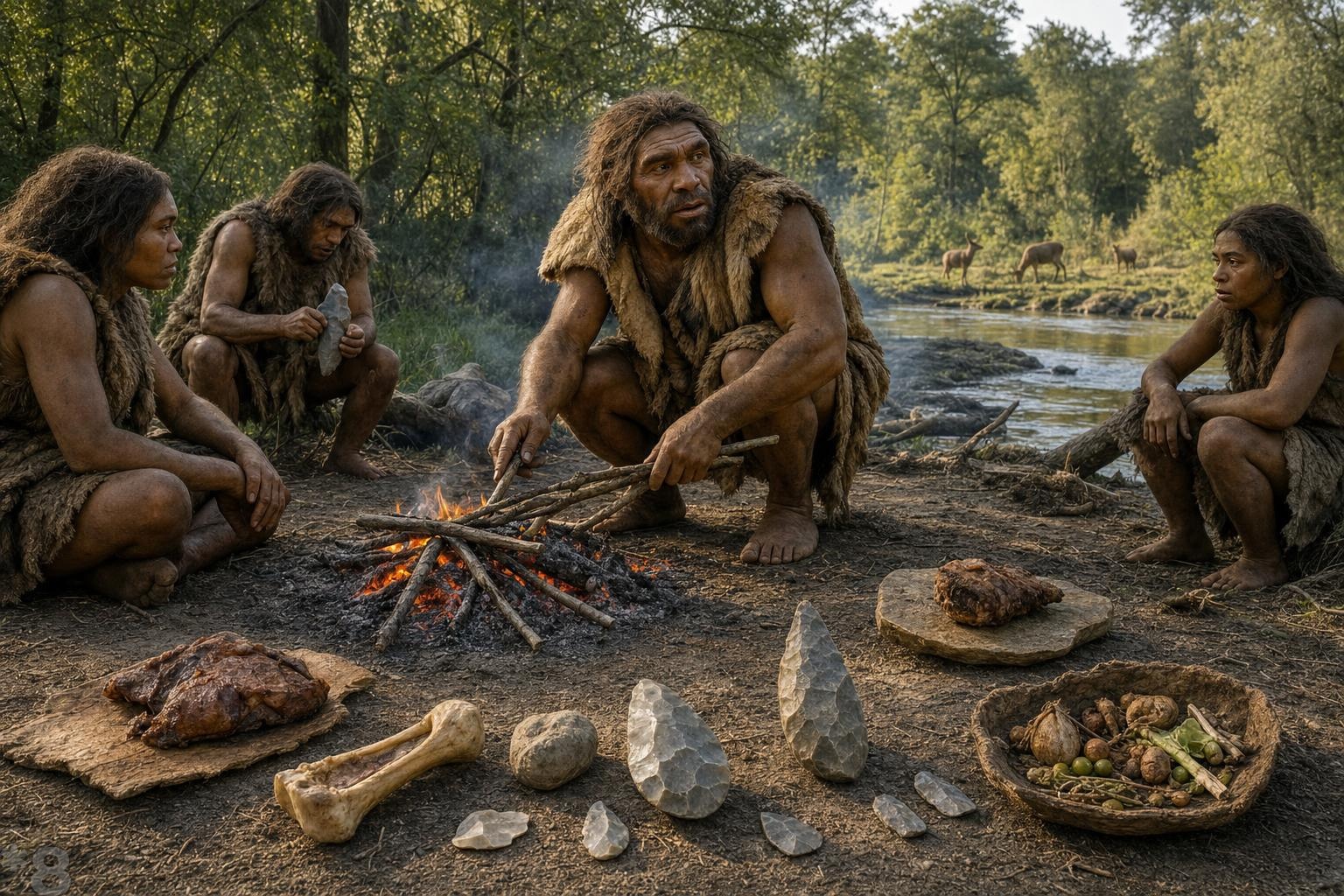
Burning near people is the first thing archaeology can detect, and the least it can say. At Wonderwerk Cave, thin sections show burned bone and ashed plants that burned where they lie, about a million years ago [1]. At Gruta da Aroeira in Portugal, about 400,000 years ago, burnt bone, charcoal and perhaps heated quartzite, found in a small area of the cave in two occupation horizons, suggest fires made by people [14]. Beeches Pit in Suffolk, dated by burnt flint to about 414,000 years ago, has discrete burned patches read as hearths, burning at 600–800 °C, and knapping debris that respects them [15]. Despite its atlas title, Beeches Pit shows fire being used rather than made: the evidence for making fire comes from Barnham [7]. At Tabun, the frequency of burnt flint through 16 metres of deposits shows habitual fire developing between 350,000 and 320,000 years ago [6]. None of these sites shows what, if anything, was cooked.
2. Hearths, Ovens and Pots
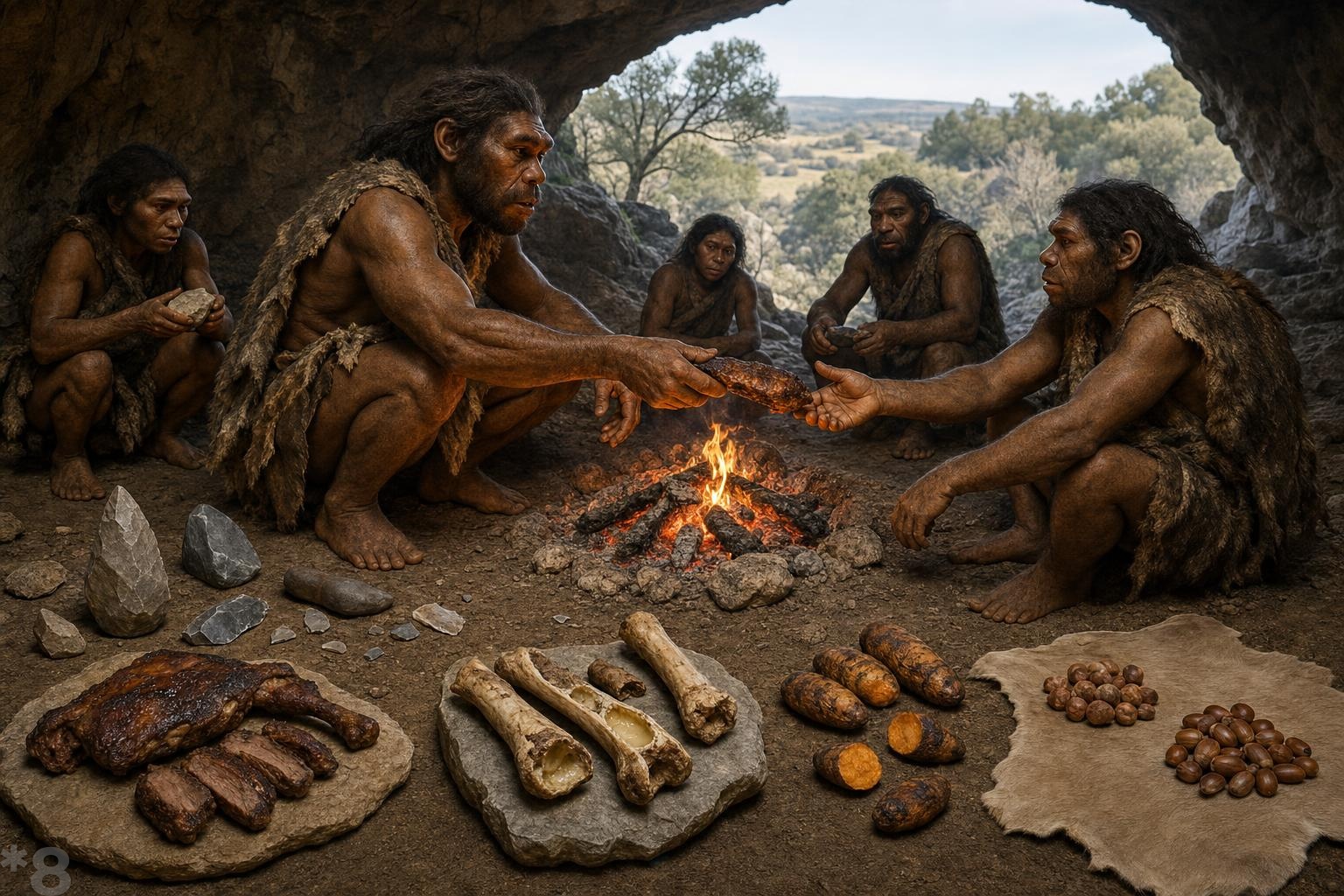
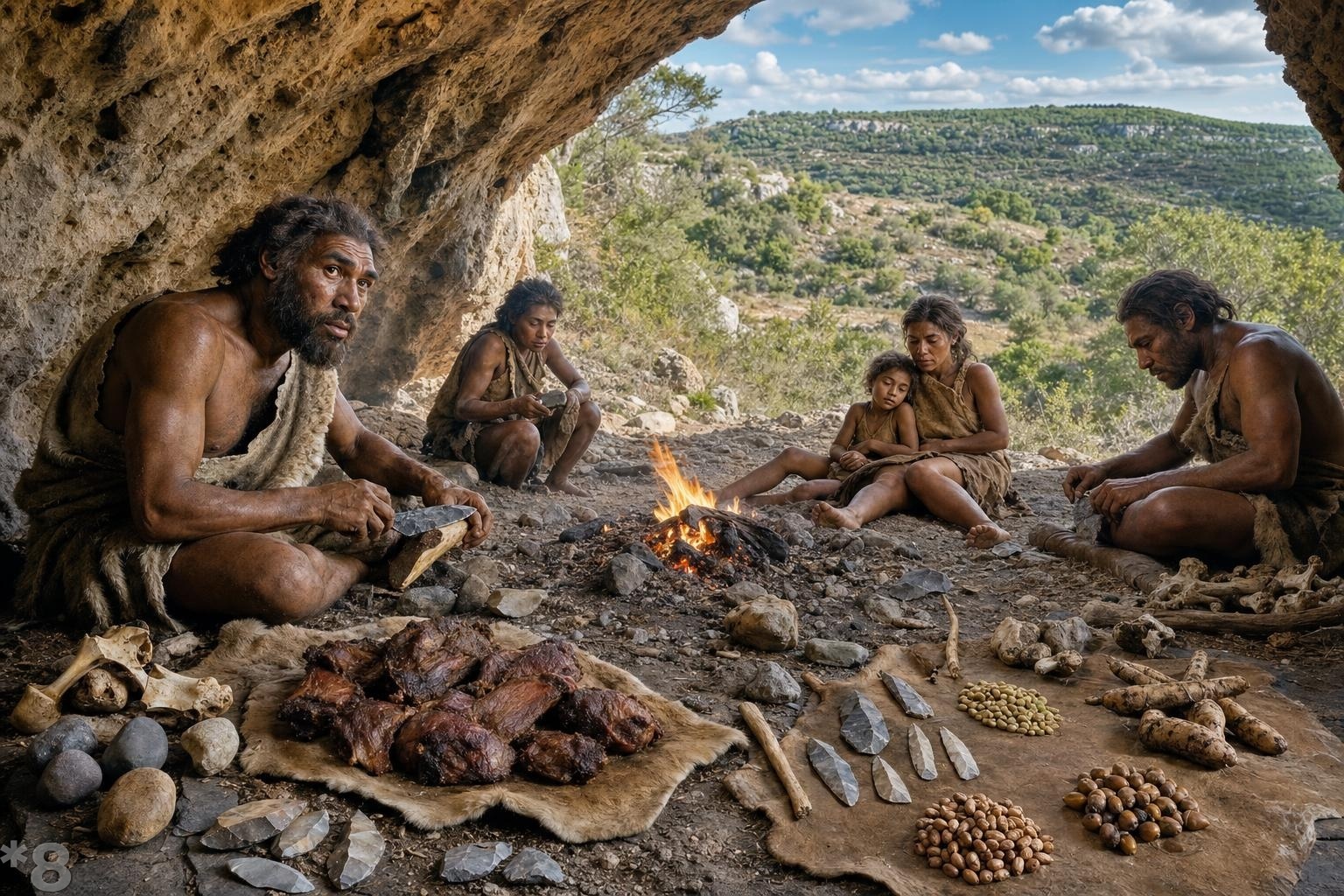
A hearth is a tool, and like other tools it changed. At Kebara Cave in Israel, Neanderthal combustion features have been studied in thin section and through the plant silica they contain [16]. At Ohalo II, a lakeshore camp in Israel about 23,000 years ago, an oven-like hearth lay near a grinding stone bearing barley starch, which suggested to the excavators that dough was baked [17]. Pottery came later still, and first in East Asia. At Xianrendong Cave in China, the oldest sherds come from contexts dated to 20,000–19,000 years ago, made by mobile foragers; the authors suggest the vessels may have served for cooking [18]. On Incipient Jōmon pots from Japan, about 15,000–11,800 cal BP, the charred residues analysed came in most cases from freshwater and marine organisms [19]: the first direct evidence of what early pots held over a fire. Çatalhöyük, a Neolithic farming settlement in Anatolia, closes the chapter: there, charred cereal meals compared with experimentally prepared foods allow probable identifications of dough, bread-like and porridge-like preparations [20].
3. What Was Cooked
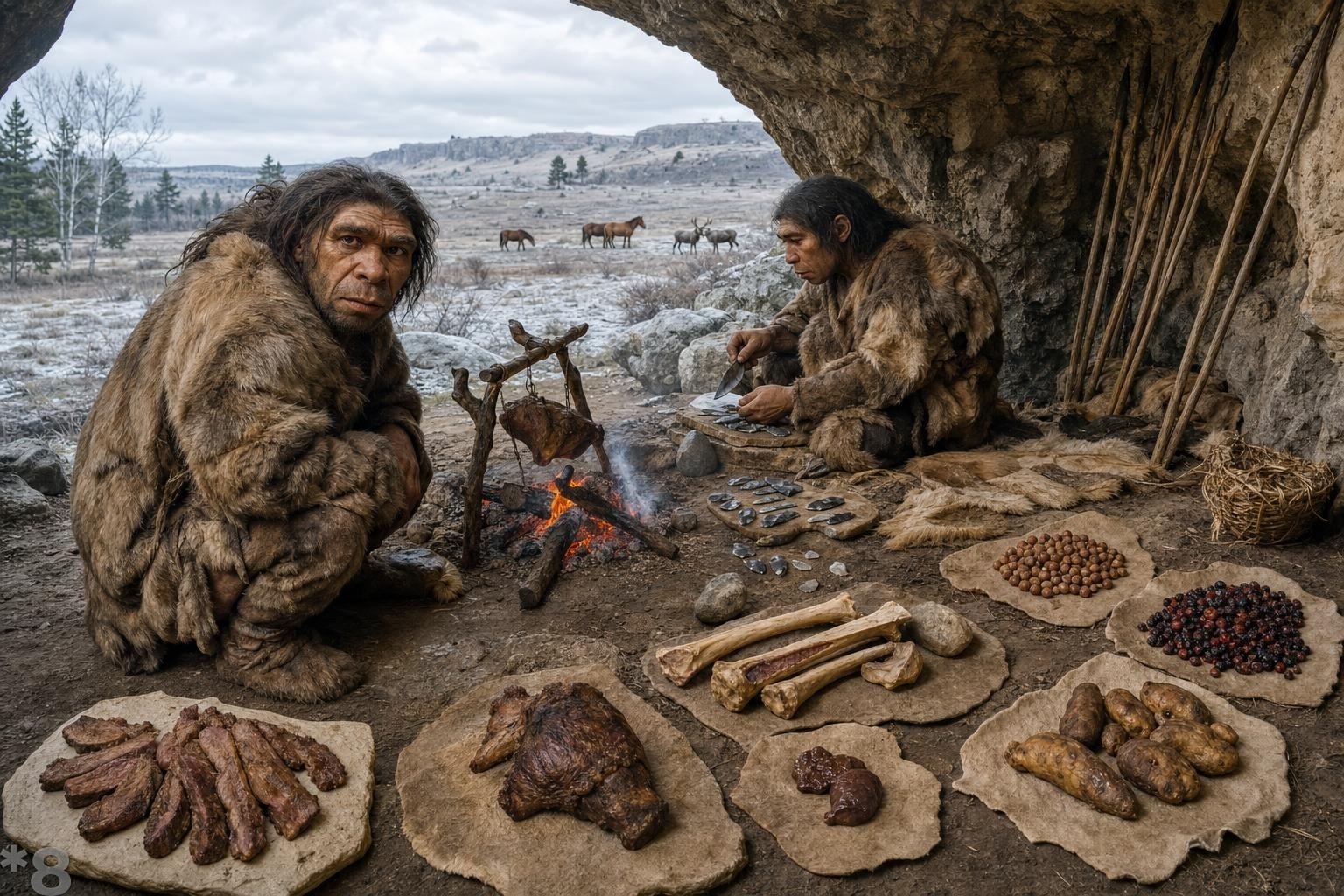
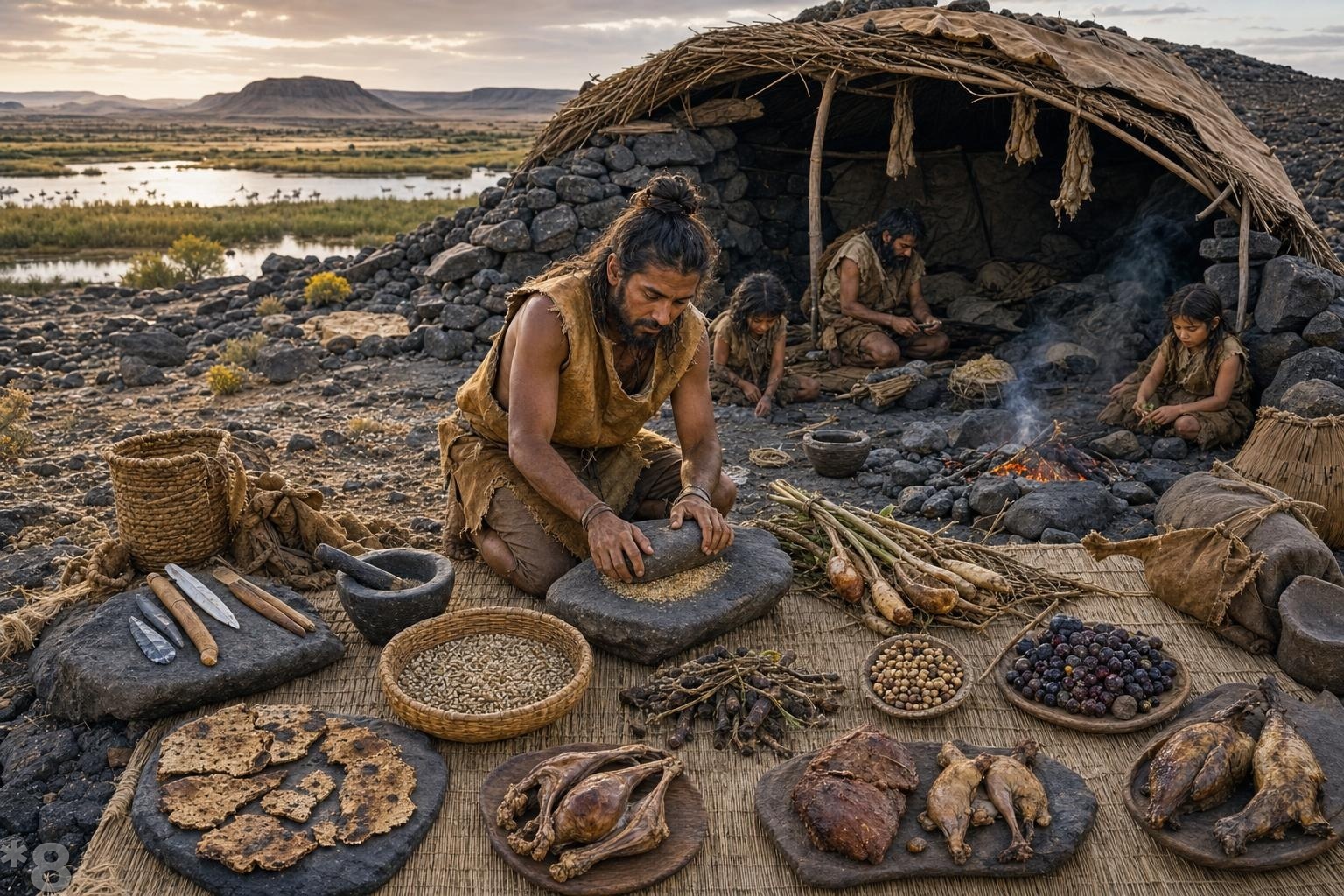
Showing that a particular food was cooked needs the food. At Gesher Benot Ya’aqov, more than 95 per cent of the fish remains in the archaeological horizons are pharyngeal teeth, the bones themselves almost absent; the teeth cluster around burned flint and were heated below 500 °C, which the authors read as fish cooked and eaten on site about 780,000 years ago [8]. Plant foods appear much later. In dental calculus from Neanderthals at Shanidar in Iraq and Spy in Belgium, Henry and colleagues found plant microfossils; at Shanidar, many of the grass-seed starches showed damage consistent with cooking [21]. Shanidar also preserves charred lumps of plant food made with pounded pulses, though five of the six come from Upper Paleolithic layers rather than the Neanderthal deposits [22]. At Shubayqa 1 in Jordan, about 14,400 years ago, charred fragments identified as bread-like products, probably flat and unleavened, show hunter-gatherers making a cereal food thousands of years before farming [23]; our investigation The First Bread: Before Agriculture follows that evidence in detail.
4. Many Kitchens
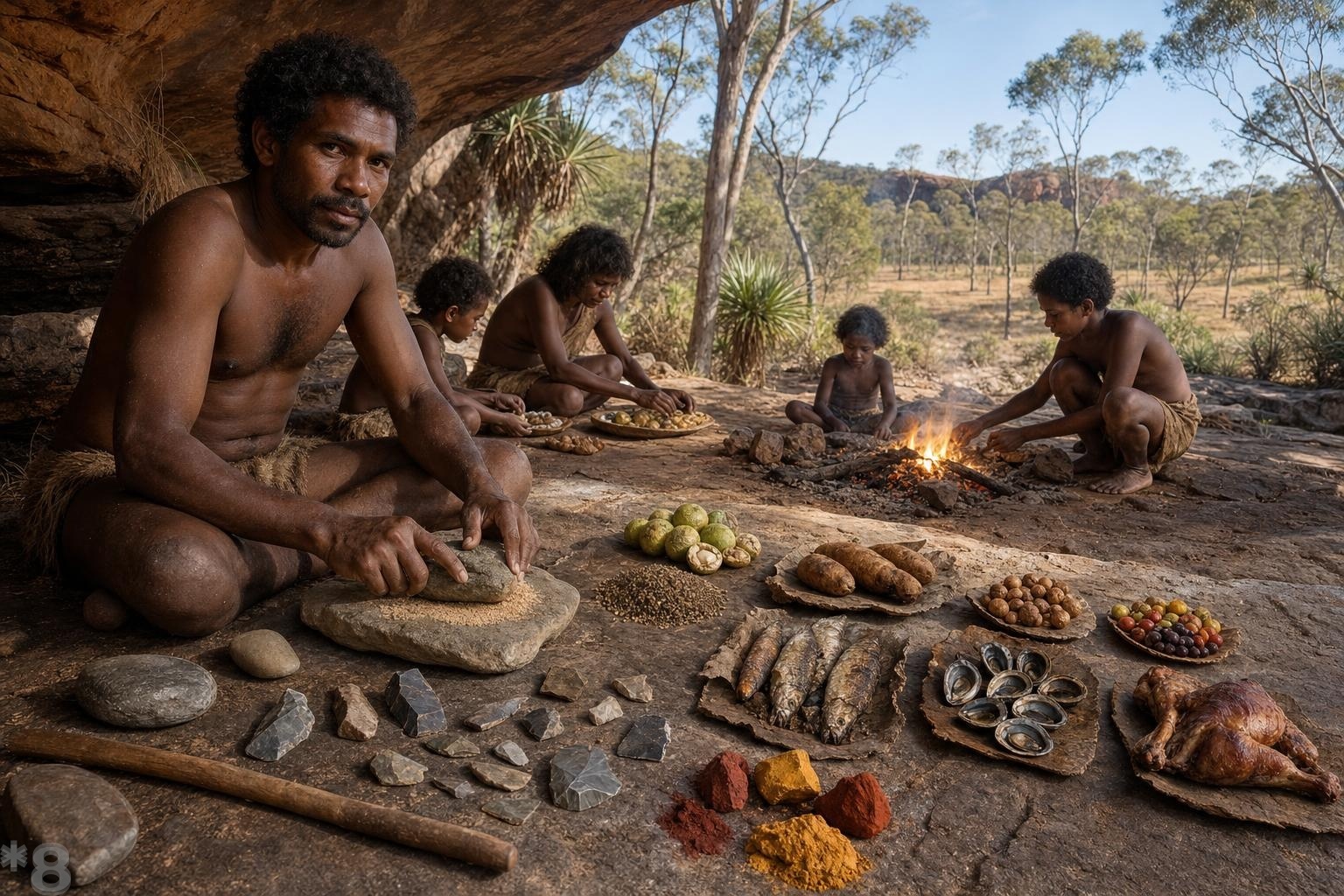
Cooking did not spread as a single package. In northern Australia, people at Madjedbebe between 65,000 and 53,000 years ago left charred remains of a range of plant foods, including some that needed processing before they could be eaten [24]. At Niah Cave in Borneo, starch grains in Pleistocene occupation sediments come from aroids, yams and the pith of sago palms [25]; the starch record shows which plants were used, not how they were prepared. At Monte Verde in southern Chile, Dillehay and colleagues reported nine species of seaweed from hearths and other features, with remains directly dated to 14,220–13,980 cal BP and interpreted as food and medicine brought from distant shores [26]. The site’s chronology is now disputed [33, 34]. At Nanzhuangtou in northern China, starch grains from grinding stones dated to about 11,500–11,000 cal BP show millet among the plants being prepared [27]. Each region used its own foods, with different evidence for how they were prepared.
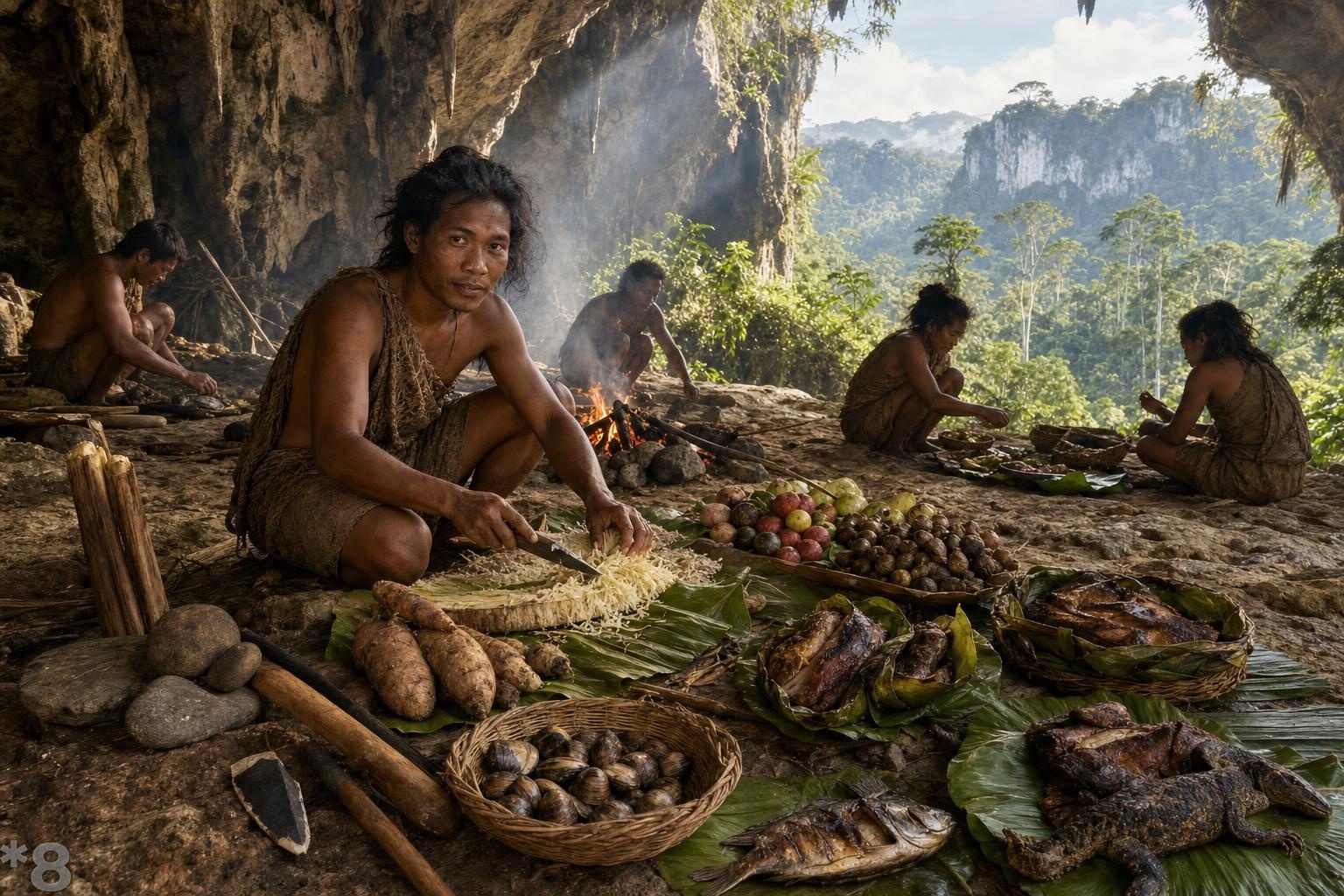
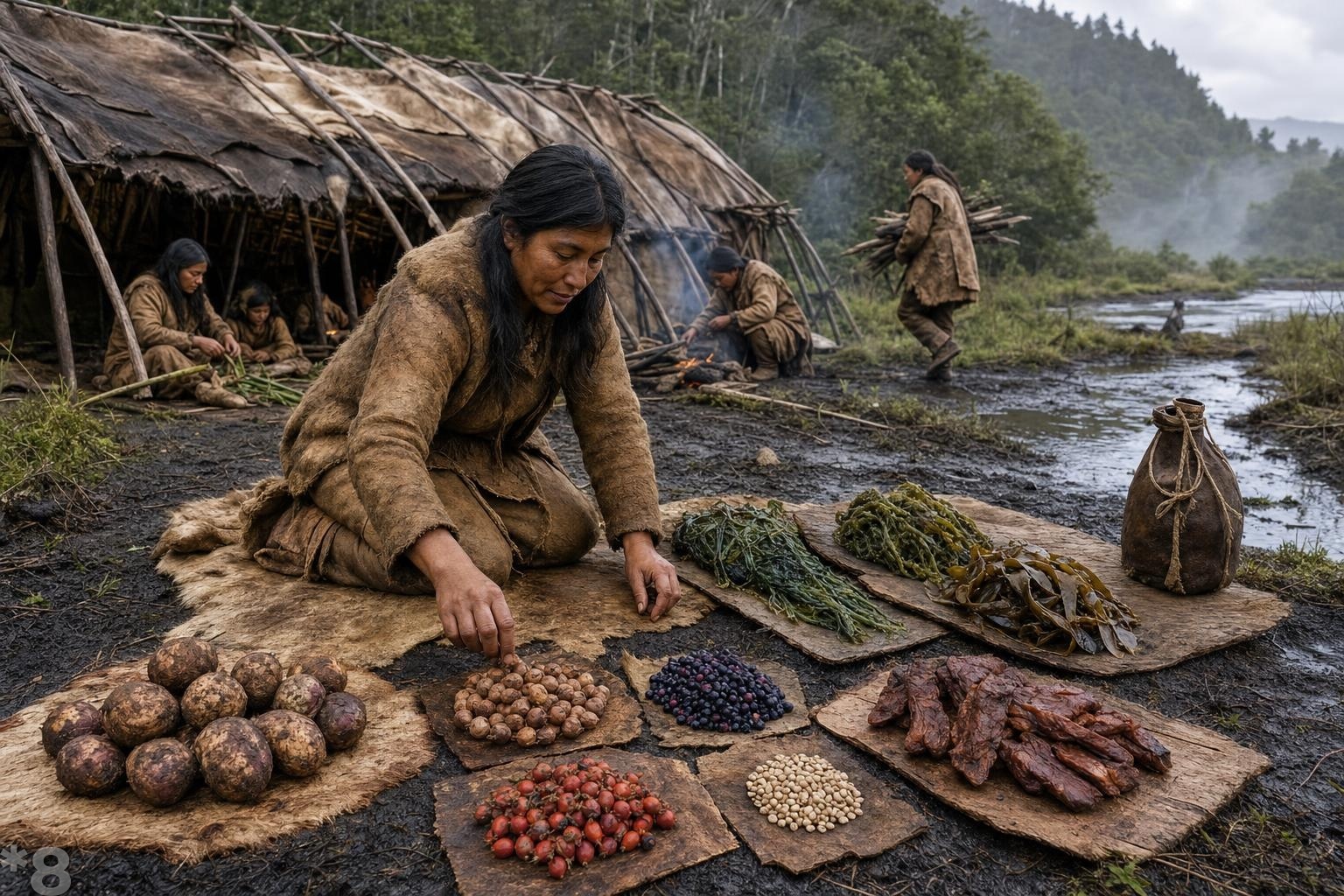
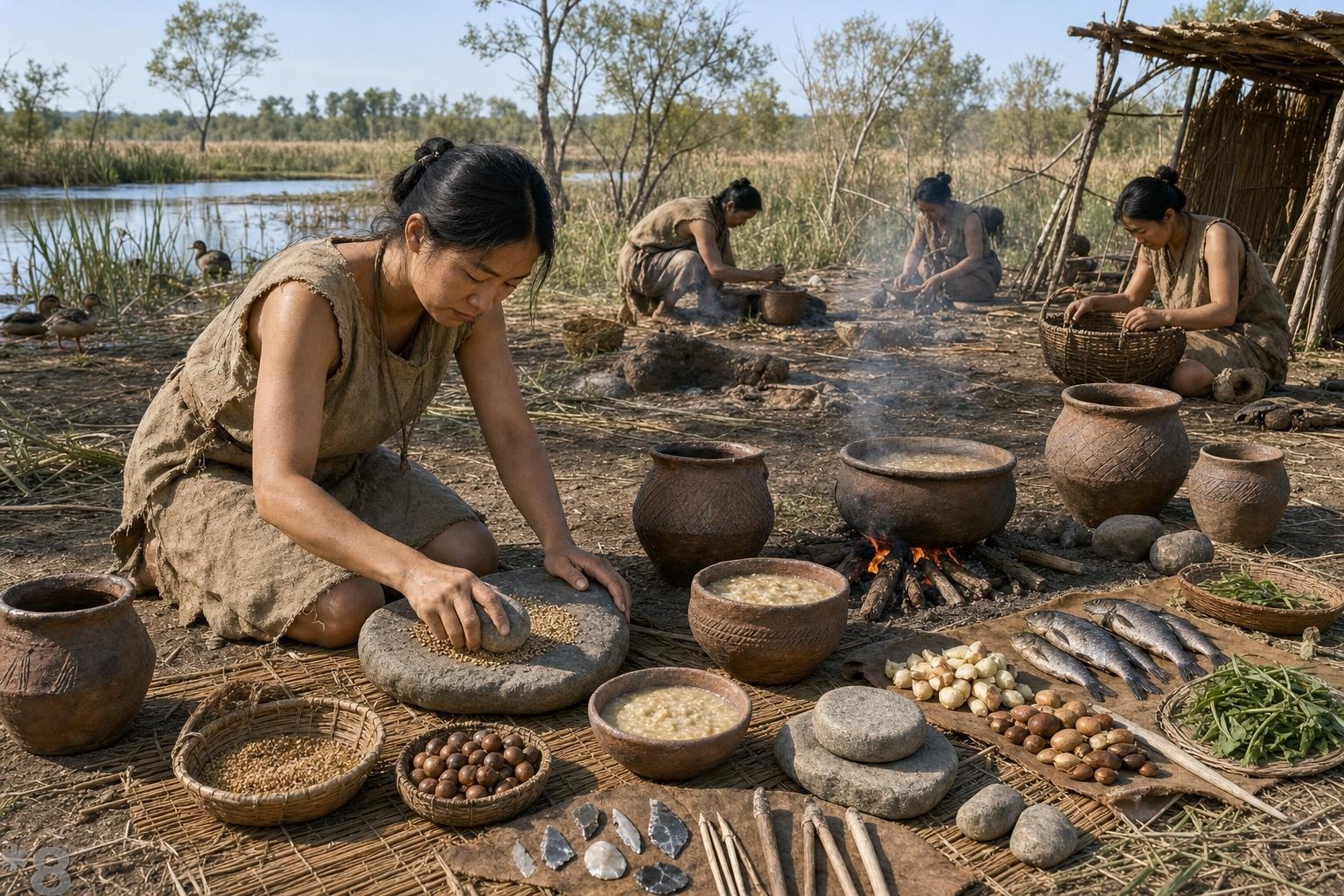
5. The Cooking Hypothesis and the Gaps
The last chapter is about what is missing. The entry on Homo erectus and the expensive body follows the argument that cooking began about 1.9 million years ago, inferred from smaller teeth and larger female body size [11]. Its companion idea, a trade between brain and gut size, found no support across 100 mammal species [13]; measured human energy budgets, adjusted for body size and activity, were larger than those of the other great apes [28]. Zhoukoudian, the cave of “Peking Man”, was long cited as the oldest controlled fire. Re-examination of Layer 10, the earliest archaeological horizon, found burned bones but no ash or charcoal, and so no direct evidence of in situ burning there [29]; the famous “ash” accumulation in Layer 4 was interpreted as water-laid silts [30]. Later work reported evidence of in situ fire in Layer 4 [32]. Sima de los Huesos in Spain contains an accumulation of Middle Pleistocene human bones that its excavators thought most likely resulted from human action [31]. It is a place where bodies came to rest, not a camp, and it cannot answer questions about cooking. A site without hearths may be one where people did not cook, or one where nothing of their fires survived [3].
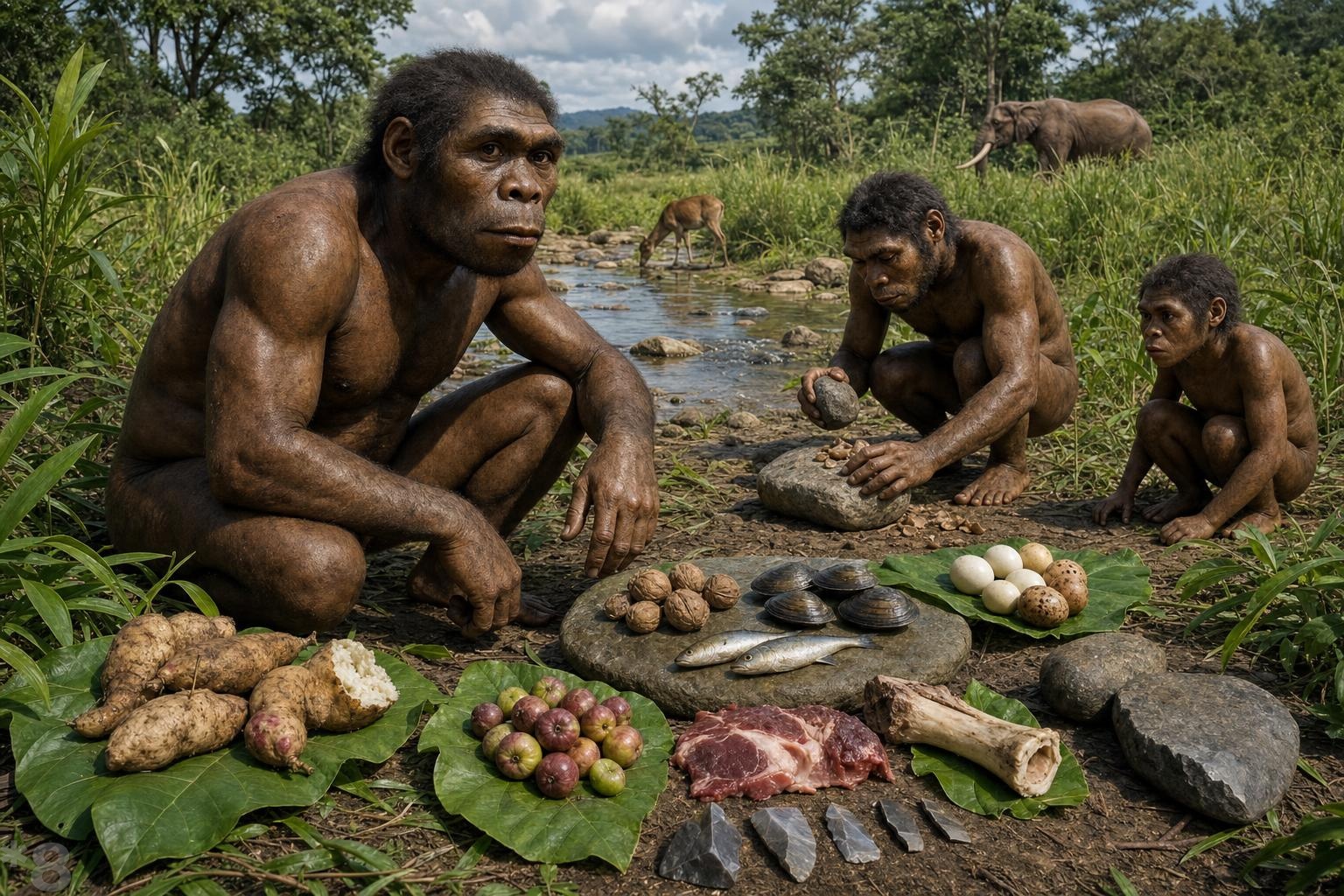
Featured Investigation
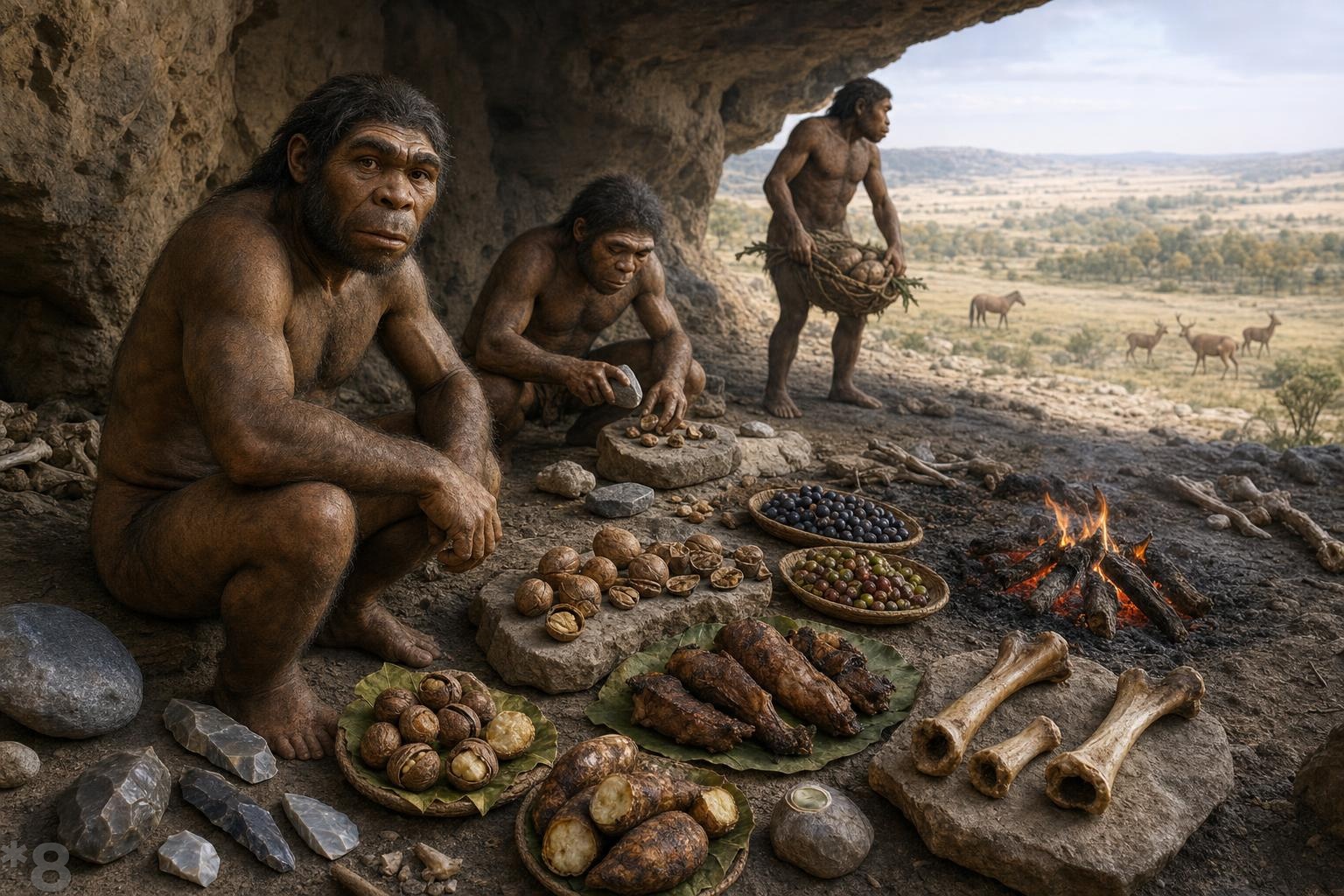
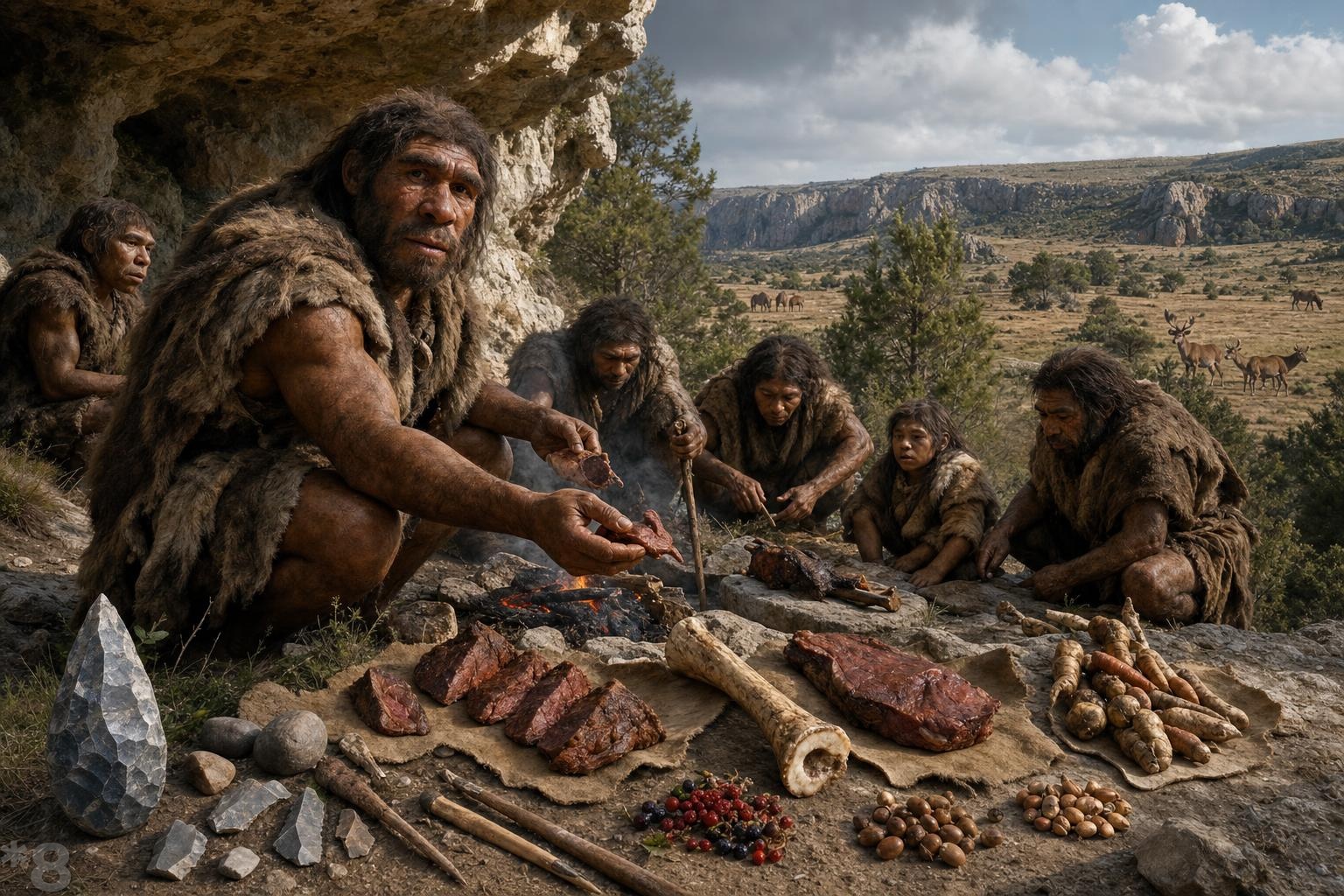
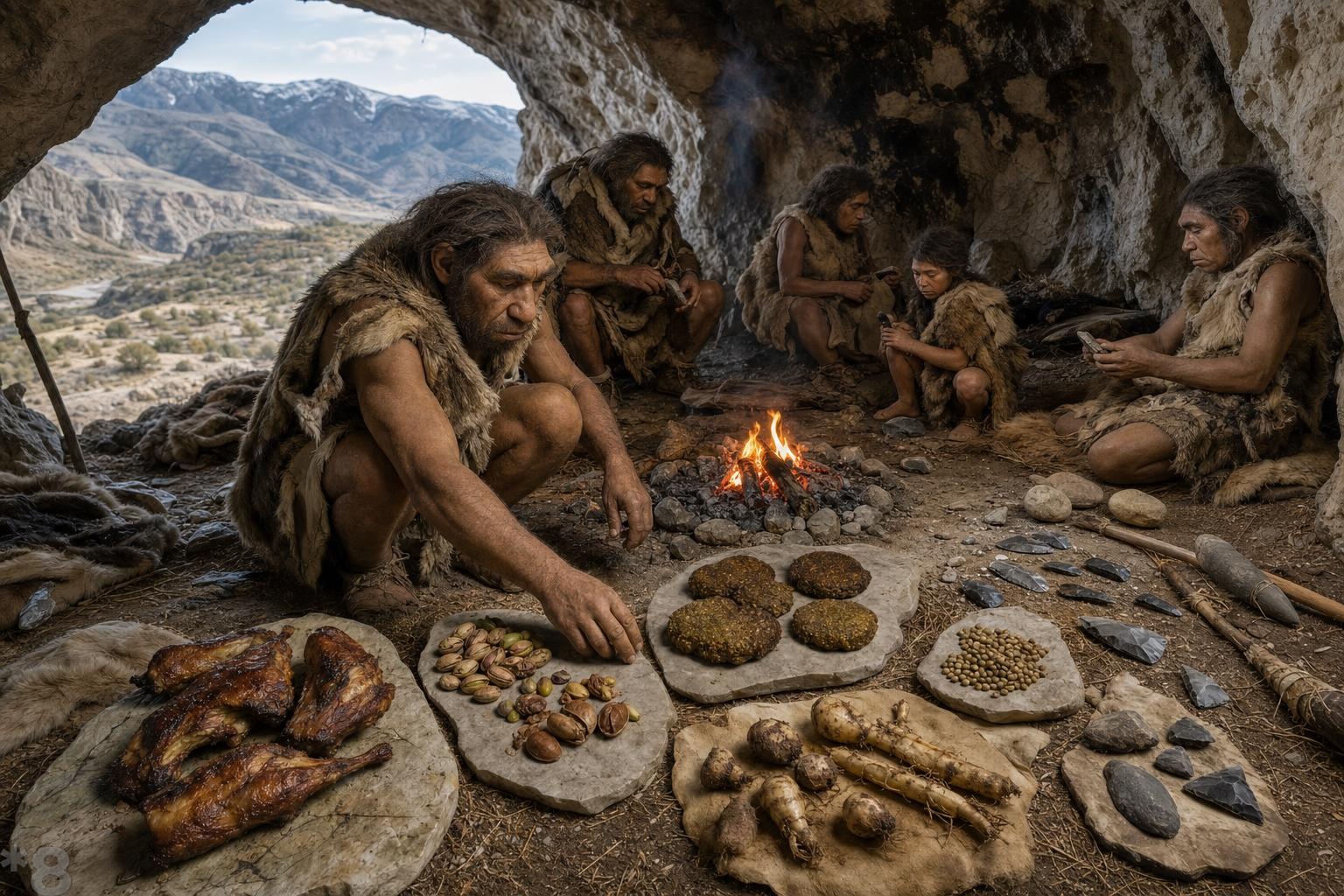
Our investigation into what humans ate 100,000 years ago asks a wider question, but cooking runs through it. It weighs the charred starchy tissue from the hearths at Klasies River [10], the cooked starch in Neanderthal dental calculus [21] and Shanidar’s charred plant food [22] against the far more durable record of bones and shells, and shows why a cooked fragment is rare evidence rather than a sample of a diet.
What Did Humans Eat 100,000 Years Ago?
Around 100,000 years ago, different hominin populations exploited combinations of terrestrial animals, marine resources, and plants. No reliable global meat-to-plant ratio can be calculated from surviving evidence.
Sources
- Berna, F., Goldberg, P., Horwitz, L. K., et al. (2012). “Microstratigraphic evidence of in situ fire in the Acheulean strata of Wonderwerk Cave, Northern Cape province, South Africa.” PNAS 109(20), E1215–E1220. DOI: https://doi.org/10.1073/pnas.1117620109
- Hlubik, S., Cutts, R., Braun, D. R., et al. (2019). “Hominin fire use in the Okote member at Koobi Fora, Kenya: new evidence for the old debate.” Journal of Human Evolution 133, 214–229. DOI: https://doi.org/10.1016/j.jhevol.2019.01.010
- Gowlett, J. A. J., & Wrangham, R. W. (2013). “Earliest fire in Africa: towards the convergence of archaeological evidence and the cooking hypothesis.” Azania 48, 5–30. DOI: https://doi.org/10.1080/0067270X.2012.756754
- Goren-Inbar, N., Alperson, N., Kislev, M. E., et al. (2004). “Evidence of hominin control of fire at Gesher Benot Ya‘aqov, Israel.” Science 304, 725–727. DOI: https://doi.org/10.1126/science.1095443
- Roebroeks, W., & Villa, P. (2011). “On the earliest evidence for habitual use of fire in Europe.” PNAS 108, 5209–5214. DOI: https://doi.org/10.1073/pnas.1018116108
- Shimelmitz, R., Kuhn, S. L., Jelinek, A. J., et al. (2014). “‘Fire at will’: the emergence of habitual fire use 350,000 years ago.” Journal of Human Evolution 77, 196–203. DOI: https://doi.org/10.1016/j.jhevol.2014.07.005
- Davis, R., Hatch, M., Hoare, S., et al. (2026; published online December 2025). “Earliest evidence of making fire.” Nature 649, 631–637. DOI: https://doi.org/10.1038/s41586-025-09855-6
- Zohar, I., Alperson-Afil, N., Goren-Inbar, N., et al. (2022). “Evidence for the cooking of fish 780,000 years ago at Gesher Benot Ya’aqov, Israel.” Nature Ecology & Evolution 6, 2016–2028. DOI: https://doi.org/10.1038/s41559-022-01910-z
- Wadley, L., Backwell, L., d’Errico, F., et al. (2020). “Cooked starchy rhizomes in Africa 170 thousand years ago.” Science 367, 87–91. DOI: https://doi.org/10.1126/science.aaz5926
- Larbey, C., Mentzer, S. M., Ligouis, B., et al. (2019). “Cooked starchy food in hearths ca. 120 kya and 65 kya (MIS 5e and MIS 4) from Klasies River Cave, South Africa.” Journal of Human Evolution 131, 210–227. DOI: https://doi.org/10.1016/j.jhevol.2019.03.015
- Wrangham, R. W., Jones, J. H., Laden, G., et al. (1999). “The raw and the stolen: cooking and the ecology of human origins.” Current Anthropology 40, 567–594. DOI: https://doi.org/10.1086/300083
- Carmody, R. N., & Wrangham, R. W. (2009). “The energetic significance of cooking.” Journal of Human Evolution 57, 379–391. DOI: https://doi.org/10.1016/j.jhevol.2009.02.011
- Navarrete, A., van Schaik, C. P., & Isler, K. (2011). “Energetics and the evolution of human brain size.” Nature 480, 91–93. DOI: https://doi.org/10.1038/nature10629
- Sanz, M., Daura, J., Cabanes, D., et al. (2020). “Early evidence of fire in south-western Europe: the Acheulean site of Gruta da Aroeira (Torres Novas, Portugal).” Scientific Reports 10, 12053. DOI: https://doi.org/10.1038/s41598-020-68839-w
- Preece, R. C., Gowlett, J. A. J., Parfitt, S. A., et al. (2006). “Humans in the Hoxnian: habitat, context and fire use at Beeches Pit, West Stow, Suffolk, UK.” Journal of Quaternary Science 21, 485–496. DOI: https://doi.org/10.1002/jqs.1043
- Albert, R. M., Berna, F., & Goldberg, P. (2012). “Insights on Neanderthal fire use at Kebara Cave (Israel) through high resolution study of prehistoric combustion features: evidence from phytoliths and thin sections.” Quaternary International 247, 278–293. DOI: https://doi.org/10.1016/j.quaint.2010.10.016
- Piperno, D. R., Weiss, E., Holst, I., & Nadel, D. (2004). “Processing of wild cereal grains in the Upper Palaeolithic revealed by starch grain analysis.” Nature 430, 670–673. DOI: https://doi.org/10.1038/nature02734
- Wu, X., Zhang, C., Goldberg, P., et al. (2012). “Early pottery at 20,000 years ago in Xianrendong Cave, China.” Science 336, 1696–1700. DOI: https://doi.org/10.1126/science.1218643
- Craig, O. E., Saul, H., Lucquin, A., et al. (2013). “Earliest evidence for the use of pottery.” Nature 496, 351–354. DOI: https://doi.org/10.1038/nature12109
- González Carretero, L., Wollstonecroft, M., & Fuller, D. Q. (2017). “A methodological approach to the study of archaeological cereal meals: a case study at Çatalhöyük East (Turkey).” Vegetation History and Archaeobotany 26, 415–432. DOI: https://doi.org/10.1007/s00334-017-0602-6
- Henry, A. G., Brooks, A. S., & Piperno, D. R. (2011). “Microfossils in calculus demonstrate consumption of plants and cooked foods in Neanderthal diets (Shanidar III, Iraq; Spy I and II, Belgium).” PNAS 108, 486–491. DOI: https://doi.org/10.1073/pnas.1016868108
- Kabukcu, C., Hunt, C., Hill, E., et al. (2023). “Cooking in caves: Palaeolithic carbonised plant food remains from Franchthi and Shanidar.” Antiquity 97, 12–28. DOI: https://doi.org/10.15184/aqy.2022.143
- Arranz-Otaegui, A., González Carretero, L., Ramsey, M. N., Fuller, D. Q., & Richter, T. (2018). “Archaeobotanical evidence reveals the origins of bread 14,400 years ago in northeastern Jordan.” PNAS 115, 7925–7930. DOI: https://doi.org/10.1073/pnas.1801071115
- Florin, S. A., Fairbairn, A. S., Nango, M., et al. (2020). “The first Australian plant foods at Madjedbebe, 65,000–53,000 years ago.” Nature Communications 11, 924. DOI: https://doi.org/10.1038/s41467-020-14723-0
- Barton, H. (2005). “The case for rainforest foragers: the starch record at Niah Cave, Sarawak.” Asian Perspectives 44, 56–72. DOI: https://doi.org/10.1353/asi.2005.0005
- Dillehay, T. D., Ramírez, C., Pino, M., et al. (2008). “Monte Verde: seaweed, food, medicine, and the peopling of South America.” Science 320, 784–786. DOI: https://doi.org/10.1126/science.1156533
- Yang, X., Wan, Z., Perry, L., et al. (2012). “Early millet use in northern China.” PNAS 109, 3726–3730. DOI: https://doi.org/10.1073/pnas.1115430109
- Pontzer, H., Brown, M. H., Raichlen, D. A., et al. (2016). “Metabolic acceleration and the evolution of human brain size and life history.” Nature 533, 390–392. DOI: https://doi.org/10.1038/nature17654
- Weiner, S., Xu, Q., Goldberg, P., et al. (1998). “Evidence for the use of fire at Zhoukoudian, China.” Science 281, 251–253. DOI: https://doi.org/10.1126/science.281.5374.251
- Goldberg, P., Weiner, S., Bar-Yosef, O., et al. (2001). “Site formation processes at Zhoukoudian, China.” Journal of Human Evolution 41, 483–530. DOI: https://doi.org/10.1006/jhev.2001.0498
- Arsuaga, J. L., Martínez, I., Gracia, A., et al. (1997). “Sima de los Huesos (Sierra de Atapuerca, Spain). The site.” Journal of Human Evolution 33, 109–127. DOI: https://doi.org/10.1006/jhev.1997.0132
- Gao, X., Zhang, S., Zhang, Y., & Chen, F. (2017). “Evidence of hominin use and maintenance of fire at Zhoukoudian.” Current Anthropology 58(S16), S267–S277. DOI: https://doi.org/10.1086/692501
- Surovell, T. A., Méndez, C., García, J.-L., et al. (2026). “A mid-Holocene age for Monte Verde challenges the timeline of human colonization of South America.” Science 391, 1283–1288. DOI: https://doi.org/10.1126/science.adw9217
- Dillehay, T. D., Pino, M., Lara, L. E., et al. (2026). “Archaeological and geological evidence at Monte Verde II, Chile, supports a human occupation at ∼14,500 years ago.” PaleoAmerica 12(2), 132–143. DOI: https://doi.org/10.1080/20555563.2026.2699017
Spot something wrong in this collection?